

Volleyball practice kit gets judged on one thing that no other sport cares about as much: whether it stays where you put it when you hit the floor.
You’re going to the ground repeatedly, on purpose, for two hours. That single fact decides almost everything below.

Start with the shorts, because they cause the most trouble
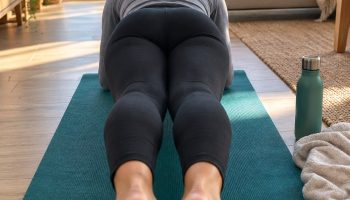
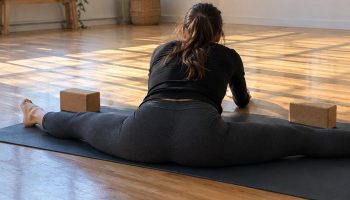
Spandex shorts are standard for a practical reason rather than a traditional one. Loose shorts ride up when you dive, bunch under knee pads, and catch on the floor.
Length: a 2.5 to 4 inch inseam is the usual range. Shorter slides around less under pads; longer covers more if you’d rather.
The thing nobody mentions: check the waistband before you buy. A thin rolled waistband will fold over every time you bend, and you’ll spend the session fixing it.
If your gym or team allows longer shorts and you prefer them, fitted beats loose — but expect to pull them down after every dig.
The top
A fitted training top or a proper sports top. Anything loose ends up over your head the first time you go flat.
Sleeveless is common and it’s a comfort choice, not a performance one. What matters more: no zips, no toggles, nothing on the front that you’ll land on.
Wear a supportive sports bra with a high-impact rating. Volleyball is jumping, landing and sprawling, not steady-state movement.

Knee pads, and where most people go wrong
Wear them from your first session. Learning to dive without them teaches you to hesitate, and hesitation is what actually injures people.
Fit: they should sit just above the kneecap when you stand. They slide down slightly as you play — that’s expected, which is why they start high.
Thickness: thicker isn’t automatically better. Liberos and defensive specialists usually want more padding because they’re down constantly; hitters often prefer thinner pads for mobility.
Replace them when the padding compresses flat. They stop working long before they look worn out.

Shoes
Court shoes, not running shoes. This is the one piece where the wrong choice carries real injury risk.
Running shoes are built to move you forward, with a raised, cushioned heel. Volleyball is lateral movement and landing, and a soft high heel is exactly the wrong platform for a hard sideways cut.
Court shoes sit lower, have a gum sole for grip on wood, and are built with lateral stability. You want a flat, stable base and grip you can trust.
If you’re coming from running and want to understand what all the shoe features actually do, the shoe guide covers the evidence — most of which applies here in reverse.

Hair, nails and the small stuff
Hair back and secure enough that it survives two hours without a rethink. A braid or a tight bun beats a ponytail that swings into your face on every jump.
Nails short. You’re contacting a ball with your fingertips several hundred times a session, and long nails split and catch.
No rings, no bracelets, no dangling earrings. Most gyms ban them and the reason is the finger, not the jewellery.
Tape: if you’re new, your fingers and forearms will take a beating in the first fortnight. That’s normal and it passes.
What to actually carry
- Water bottle, at least a litre
- A spare top — you will soak through the first one
- Small towel
- Hair ties, more than one
- Plasters for floor burn
- Knee pads, if you don’t wear them in
Off the court
If you’re heading straight from practice to campus or a game, that’s a different problem — the game day outfit guide covers dressing for a long day in the stands, and the Ohio State and LSU guides cover the bag policies that catch people out.
If it’s just class or coffee after practice, our sporty outfit ideas show how to turn training basics into something that doesn’t look like you’ve come straight from the gym.
And for what to do with the training side of things, volleyball workouts by position gets into what you should be training depending on where you play.
More from SportsFable: if this helped, you might also like our guides to volleyball mom outfits for 12-hour tournament days and gifts for volleyball players.
Questions people ask
What should I wear to volleyball practice?
Fitted spandex shorts, a fitted top, a high-impact sports bra, knee pads and court shoes. Nothing loose, nothing with zips.
Do I need knee pads for volleyball?
Yes, from your first practice. Learning without them teaches hesitation on dives, which is the more likely route to injury.
Can I wear running shoes for volleyball?
You shouldn’t. Running shoes have a raised cushioned heel built for forward motion; volleyball needs a low, stable base for lateral cuts and landings.
How long should volleyball shorts be?
Typically a 2.5 to 4 inch inseam. Shorter moves less under knee pads.
Where should knee pads sit?
Just above the kneecap when standing — they settle downward as you play.
About the images on this page. The illustrations in this article were generated with AI by the SportsFable team. They are not photographs of real people, real events or real products, and no image here depicts an identifiable individual. We use AI imagery rather than licensed press photography, and we would rather tell you that plainly than let you assume otherwise. Our full approach to sourcing is on our About page.
Related Post