
The flight leaves at 6 a.m. Open on the bed is a suitcase holding three cozy sweaters, a pair of jeans, some cute boots and not one waterproof thing. It looks like a winter wardrobe. On a chairlift at 10,000 feet with a 20 mph wind, it would feel like wearing a wet towel.
Good ski trip outfits aren’t about owning more clothes; they’re about wearing the right layers in the right order. The cost is upfront: a proper base layer and a waterproof shell aren’t cheap. The payoff is that you stay warm and dry on the mountain, then look put together at après without hauling a second suitcase.
Below you’ll find the layering system first, then seven complete looks for women and men, regional notes for Colorado, Utah, Vermont, Europe and Japan, and a packing checklist you can screenshot.
The layering system behind every ski trip outfit
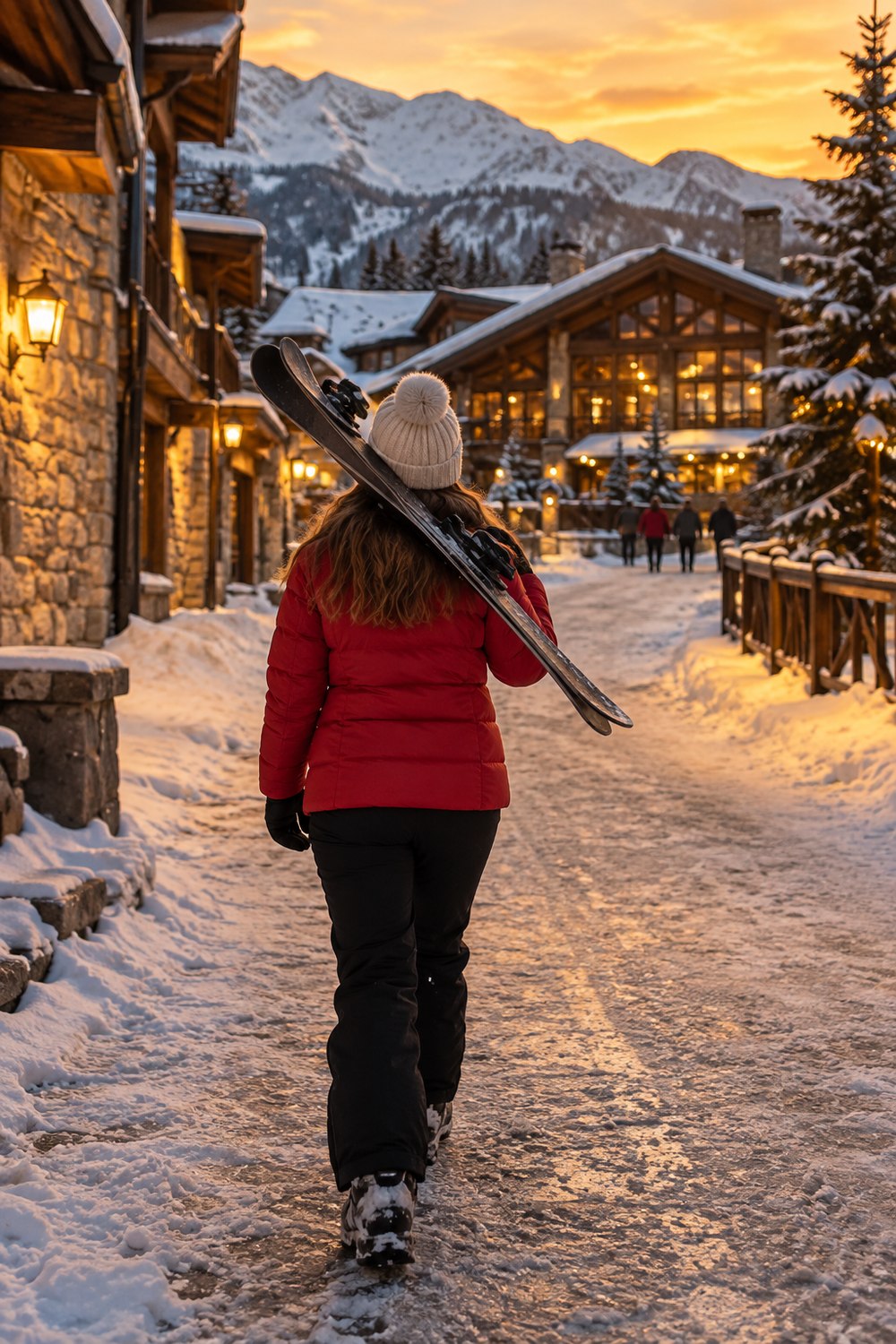
Every one of the ski trip outfits below is built from three layers. Get these right and the rest is styling.
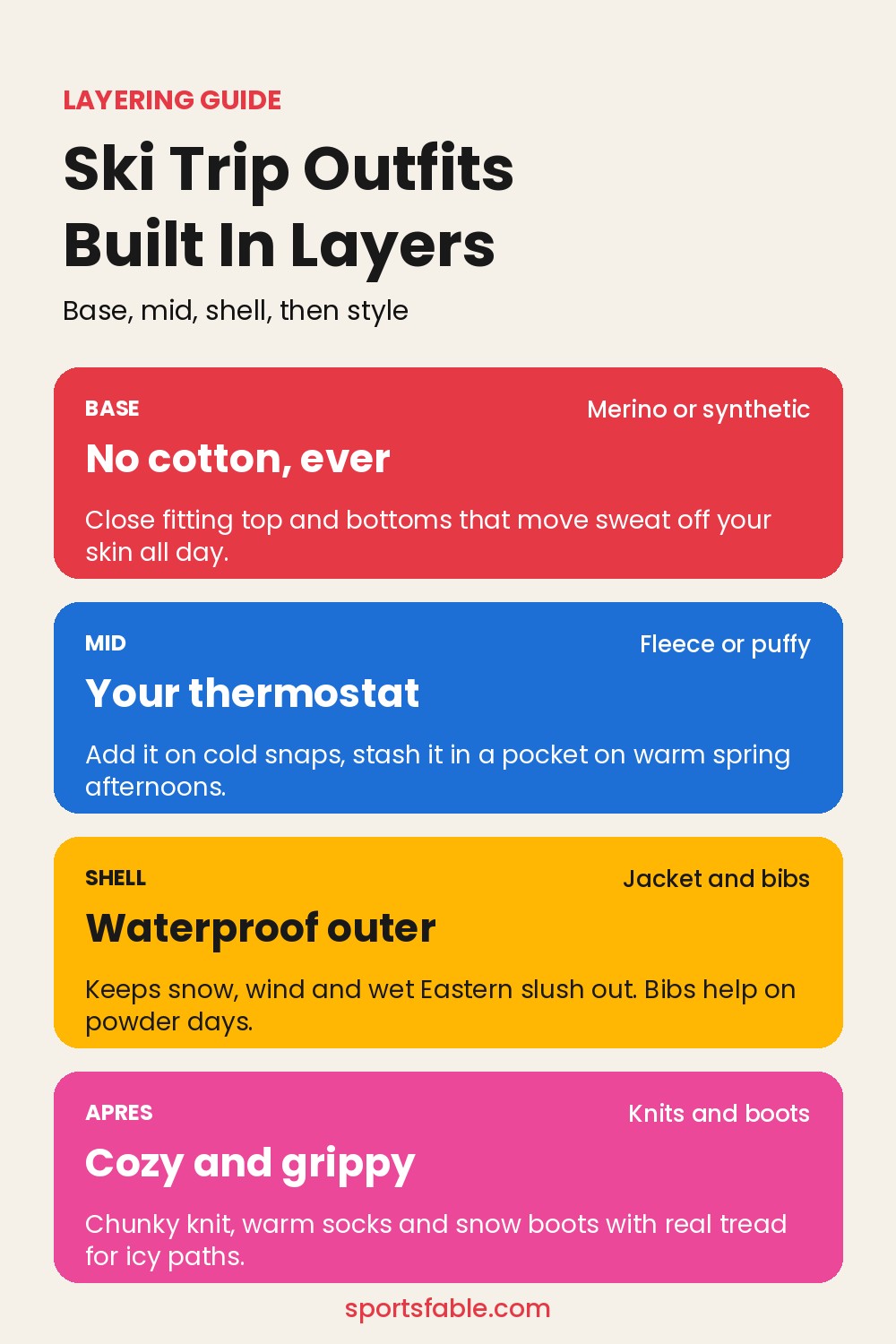
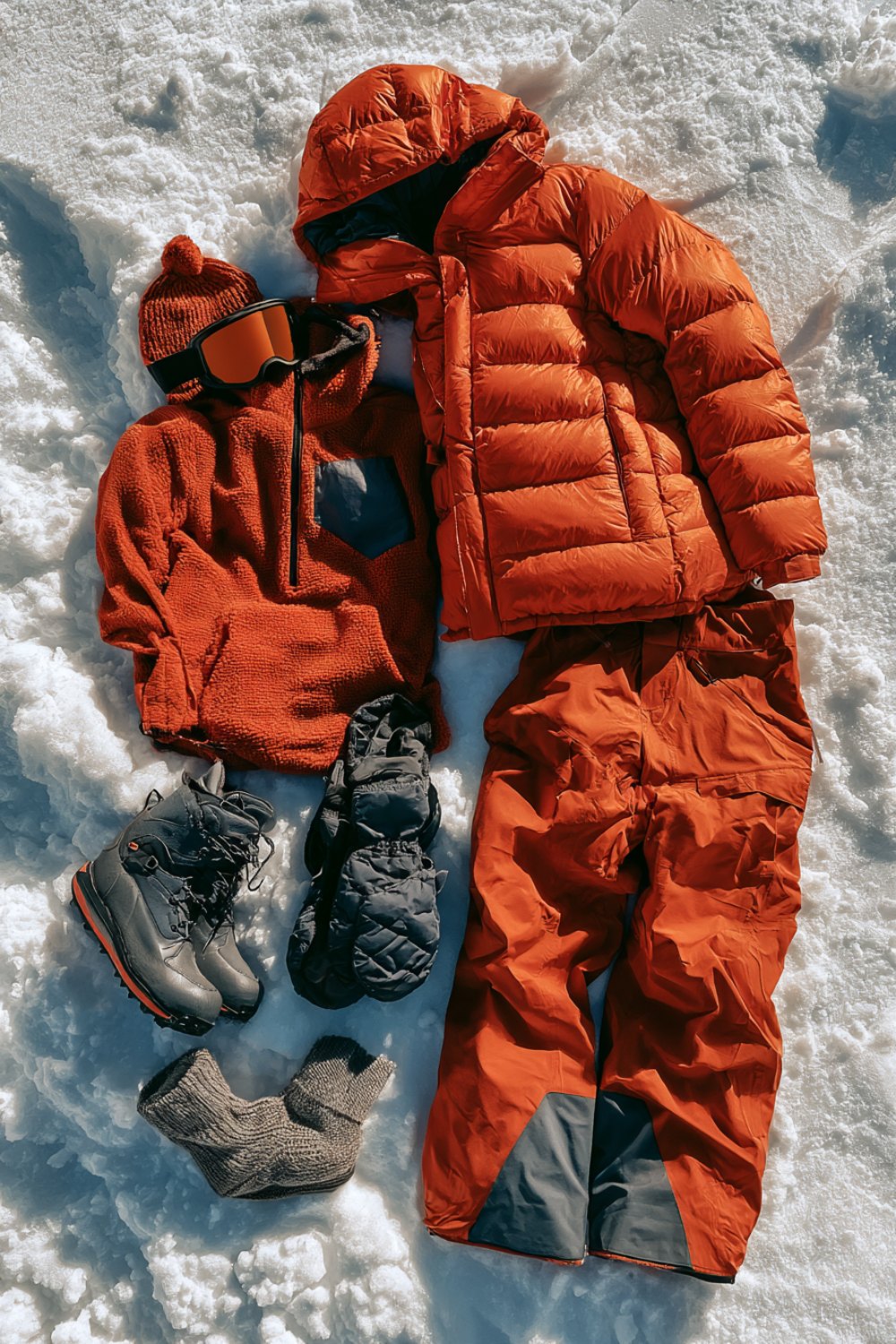
- Base layer: close-fitting merino wool or synthetic top and bottoms that move sweat off your skin. This is where cotton does the most damage: it soaks up sweat, stays wet and pulls heat away from you all day.
- Mid layer: fleece, a light puffy vest or a thin insulated jacket. This is your thermostat; add or remove it as the day changes.
- Shell: a waterproof, breathable jacket and pants (or bibs). Insulated shells are simpler for beginners; uninsulated shells are more flexible if you layer well.
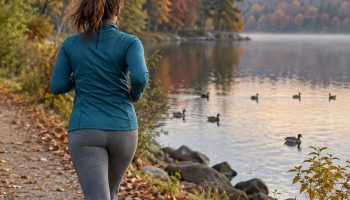
Add thin ski socks (one pair, never doubled), gloves or mittens, a neck gaiter, goggles and a helmet. If you already own winter training gear, much of it doubles as ski layers; our guide to cold-weather running outfits covers the same base-layer logic.
7 ski trip outfits for the slopes and après
These ski trip outfits cover a full week: five days of weather on the hill, plus the evenings and the travel days on either side. Mix and match; most pieces appear in more than one look.
1. The classic bluebird day look
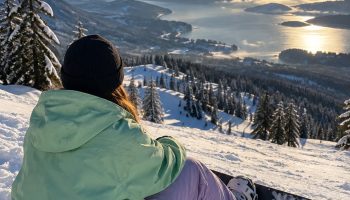
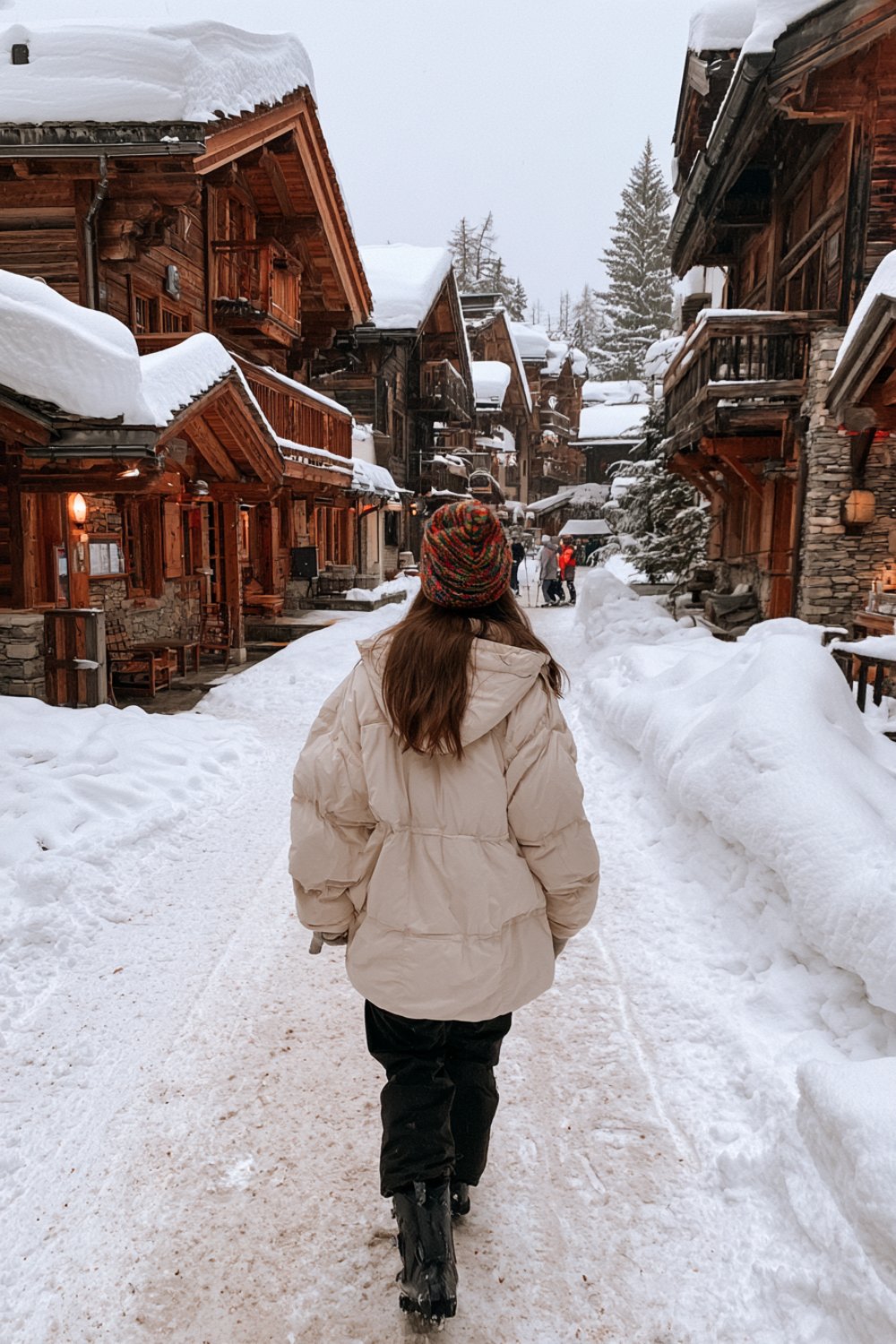
Clear sky, temperatures in the 20s °F, light wind. Wear a midweight merino base layer, a thin fleece quarter-zip and your shell, with the pit zips ready to open. Go bright: a red, cobalt or pink jacket photographs beautifully against blue sky and makes you easy to spot. Add sunglasses-tint goggles and SPF on your face, because sunny days are when people forget it.
2. The cold-snap layered look
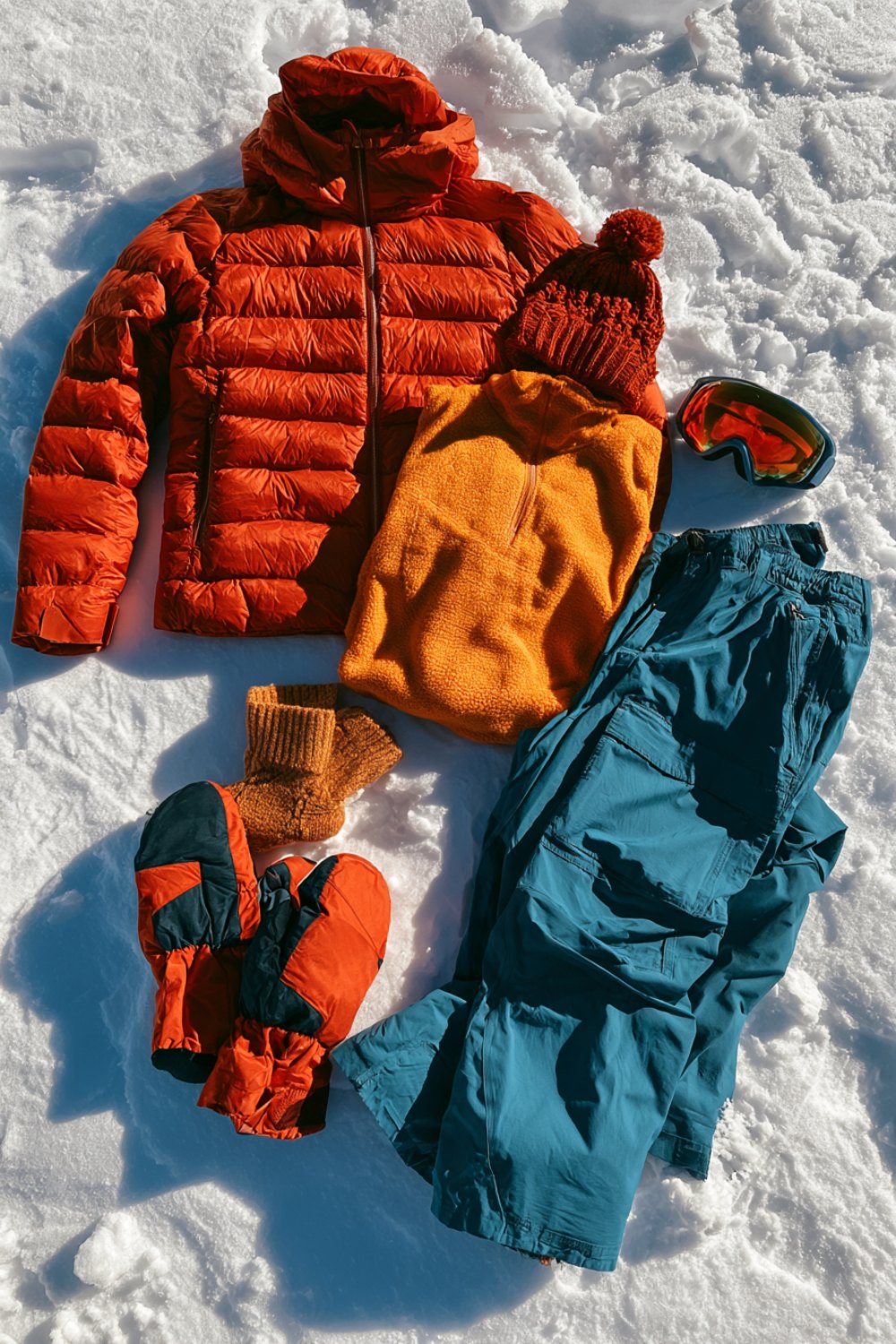
Sub-zero mornings with wind are a different sport. Start with a heavyweight base layer top and bottoms, add a fleece plus a packable down or synthetic puffy under an insulated shell, and swap gloves for mittens with liners. A balaclava or full neck gaiter and a helmet liner cover the skin that freezes first. Expect to look bulky. It’s worth it, and taking short breaks inside the lodge is smart, not soft.
3. The spring skiing look
March and April bring slushy afternoons in the 40s °F. Go lightweight: a thin base layer or sun hoodie, an uninsulated shell (or a softshell on dry days) and lighter gloves. Keep the waterproof pants, since corn snow turns to slush fast. This is the look for pastel colors and retro one-pieces if that’s your aesthetic, but pack a fleece in your pocket for the shaded chairlift.
4. The après-ski cozy look
Here’s where those three sweaters finally earn their space. A chunky knit or fleece pullover, leggings or relaxed joggers, insulated snow boots with real tread and a beanie. Swap the ski socks for thick wool ones. Choose boots with grip over fashion soles; icy base-area walkways cause plenty of slips after the skiing is done.
5. The ski town dinner look
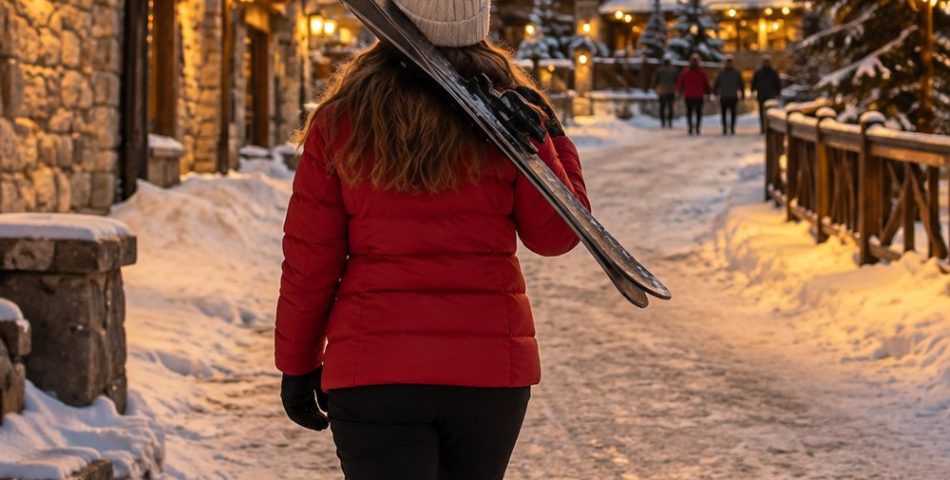
Most mountain town restaurants are relaxed, so think “nice but walkable on snow.” Women: a sweater dress or knit set over fleece-lined tights, a long wool coat and waterproof heeled boots with a lug sole. Men: dark jeans or chinos, a merino crew or flannel shirt, a down jacket and waterproof leather boots. A warm scarf ties it together and handles the walk back.
6. The travel day and airport look
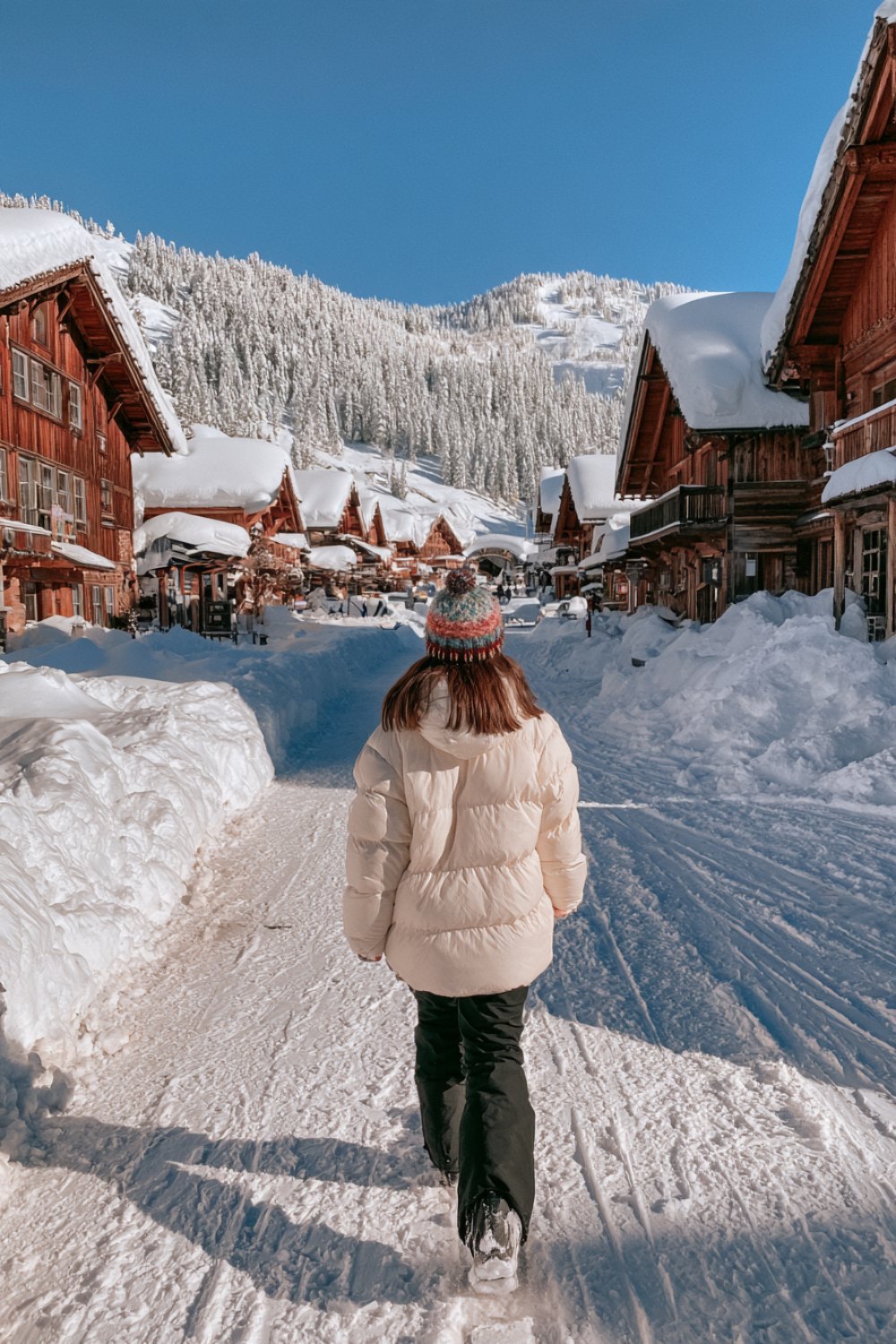
Wear your bulkiest items so they don’t eat suitcase space: ski jacket, snow boots and a fleece. Underneath, joggers and a base layer top keep you comfortable on the plane. Carry goggles, gloves and one base layer set in your personal item; if your checked bag goes missing, you can still rent the rest and ski day one.
7. The men’s all-mountain look
A midweight merino base layer, a grid fleece, bibs instead of pants (they keep snow out on powder days and fall) and a neutral shell in olive, navy or black with one bright accent such as orange gloves or a colored helmet. Add a slim insulated vest when it’s cold. Off the hill, the same fleece and vest work at the bar over a flannel shirt.
Regional notes: Colorado, Utah, Vermont, Europe and Japan
Where you ski changes what your ski trip outfits need to handle. Colorado and Utah: dry cold and high altitude. Many base areas sit somewhere between roughly 6,500 and 10,000 feet, so sun is fierce even on cold days. Prioritize face sunscreen, SPF lip balm and a good goggle lens; dry air also means lotion is worth packing.
Vermont and the East: wet snow, icy mornings and freezing rain. A truly waterproof shell matters more here than anywhere, along with a spare pair of gloves and a face covering for wind on exposed lifts.
Europe: long lunches at mountain huts and walking through villages in ski boots. A sleek, fitted outfit fits in, but practicality wins: pack a slim insulated jacket you can wear into town.
Japan: famous for deep, frequent powder. Bibs, a powder skirt in your jacket, a full face gaiter and a low-light goggle lens earn their place. Many onsen towns are walkable, so pack slip-on snow boots for evenings.
What the weather and sun experts say
- Wind chill is a real number. The National Weather Service notes that during extreme cold, frostbite can develop in 10 to 15 minutes on unprotected skin, and that wind chill only applies to temperatures at or below 50°F. Check the NWS wind chill page before a cold-snap day.
- Snow and altitude double the sun. The Skin Cancer Foundation says snow reflects up to 80 percent of the sun’s UV light, UV rises 4 to 5 percent with every 1,000 feet of altitude, and broad-spectrum SPF 30 or higher belongs on all exposed skin. See their winter sports sun tips.
- Helmets are standard kit. The National Ski Areas Association reports helmet use reached 90% in the 2023/24 season, and urges skiers to ride in control regardless. Read the NSAA helmet safety page.
If you have a condition affected by cold, such as circulation problems, check with your doctor before a trip to a very cold or high-altitude resort.
Packing checklist for ski trip outfits
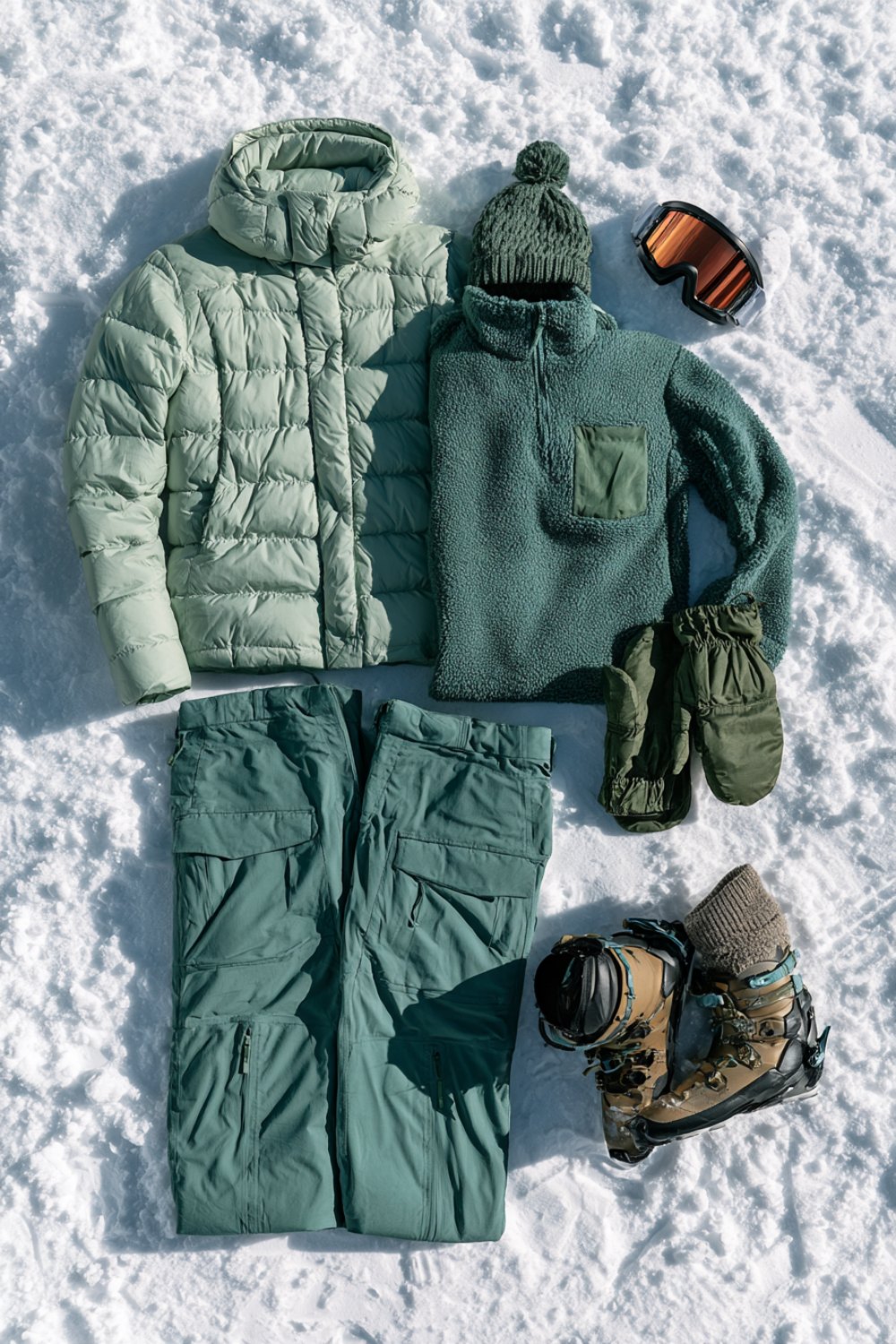
- 2 base layer sets (top and bottom), no cotton
- 1 fleece and 1 packable puffy or vest
- Waterproof shell jacket and pants or bibs
- 3 to 4 pairs of thin ski socks
- Gloves or mittens, plus liners
- Helmet, goggles (and a low-light lens), neck gaiter
- SPF 30+ sunscreen and SPF lip balm
- Snow boots with grip, one dinner outfit, one cozy après set
- Hand warmers and a swimsuit for the hot tub
Keep building the look
Heading to a cold stadium after the trip? Our cold-weather game day outfits reuse many of these layers. For indoor training through the season, see winter gym outfits, and for everyday athletic style back home, browse our sporty outfit ideas.
Also worth a look: snowboarding outfits and gifts for skiers.
Questions people ask
What should women wear on a winter ski trip?
A merino base layer, a fleece mid layer and a waterproof shell for the slopes, then a cozy knit and snow boots for après. Bring one dinner outfit with fleece-lined tights and grippy boots.
What do you wear for a Colorado or Utah ski trip?
The same three layers, with extra attention to sun protection because of the altitude. Dry air means you’ll often feel less damp but more sunburned, so pack SPF for your face and lips.
How do you get a cute ski outfit aesthetic without freezing?
Keep the warm layers technical and put the style into the shell: a bright or pink jacket, a retro one-piece or a fun helmet cover. A coordinated beanie and gaiter adds the inspo-board look for après.
What should men pack for a ski trip?
Men’s ski trip outfits can be simple: two base layer sets, a fleece, an insulated vest, a shell with bibs, mittens or gloves with liners, and one pair of dark jeans with waterproof boots for dinner. That covers nearly every situation.
Is a Vermont ski trip different from a Japan or Europe trip?
Vermont calls for the most waterproofing because of wet snow and ice. Japan rewards powder gear like bibs and a low-light lens, while Europe favors a slim jacket you can wear into the village.
What should kids wear on a school ski trip?
The same no-cotton layering, plus waterproof mittens, a helmet and goggles that fit together. Label everything and pack a spare pair of gloves, since kids’ gear gets soaked fast.
Images in this article are AI-generated illustrations and original graphics created by SportsFable. They show outfit ideas, not real people, teams or events.
Related Post