The first lap always goes the same way. One hand glued to the rink wall, knees locked, eyes fixed on the ice about two feet ahead. Then a wobble, a sit-down you didn’t plan, and the slow realization that the cold creeping up your legs is coming from your jeans, which are now soaked through.
Nobody warns you about that part. The rink looks dry from the bleachers, but there’s a thin film of water on top, and denim drinks it up. By the third lap you’re colder than the air has any right to make you.
Good ice skating outfits fix that before it starts. Below: what to wear at indoor and outdoor rinks, seven looks for dates, holidays and lessons, how to lace rental skates, competition dress basics, and a free printable rink day checklist with a beginner session log.
Outdoor rink vs indoor rink
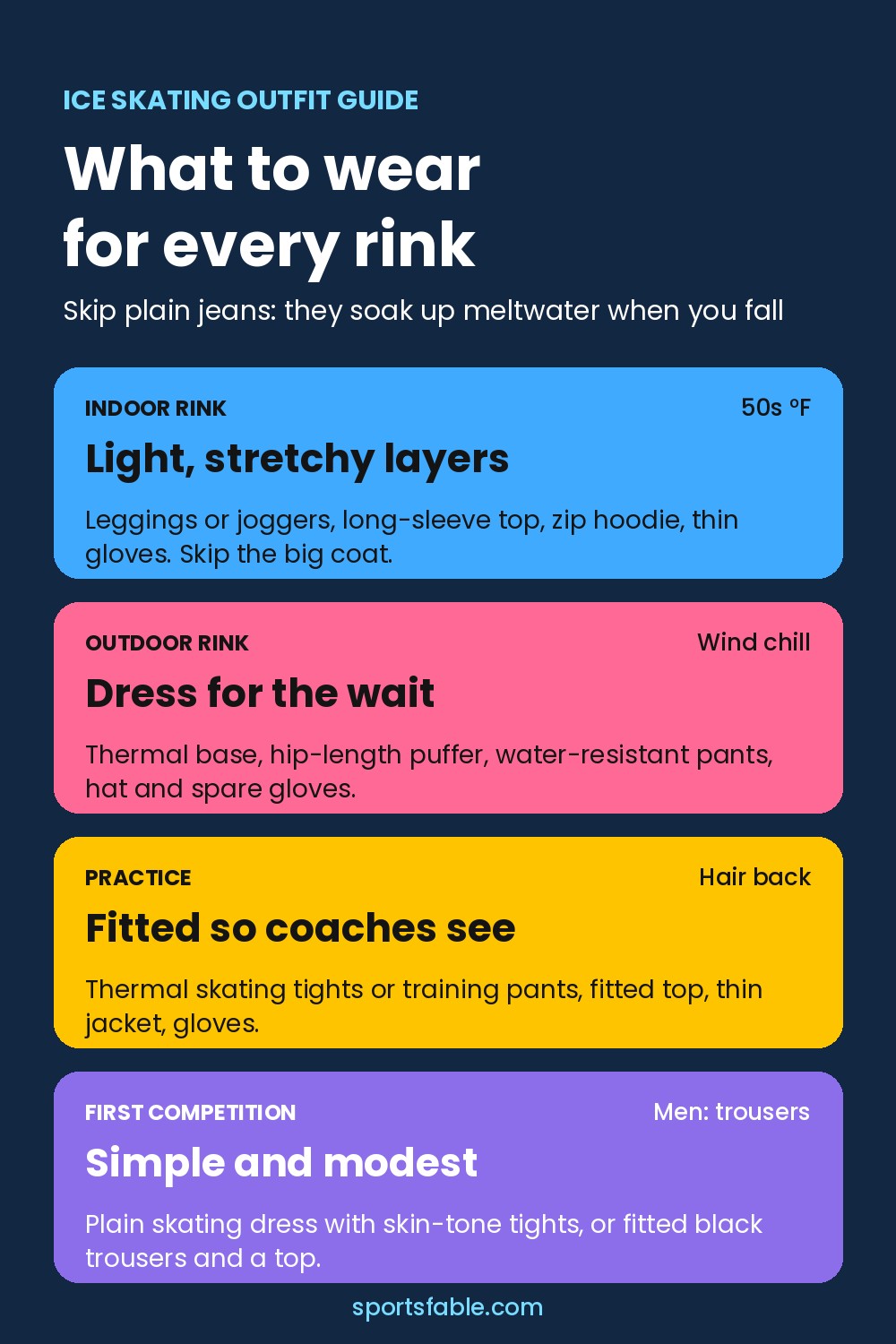
Indoor and outdoor ice skating outfits follow two different dress codes, and mixing them up is the most common mistake.
Indoor rinks often keep the air around 55 to 60°F, and it feels colder right at the boards. You’ll warm up within a few laps, so think light layers: a long-sleeve top, a fleece or thin sweater, stretchy pants and thin gloves. A big winter coat will have you sweating in ten minutes.
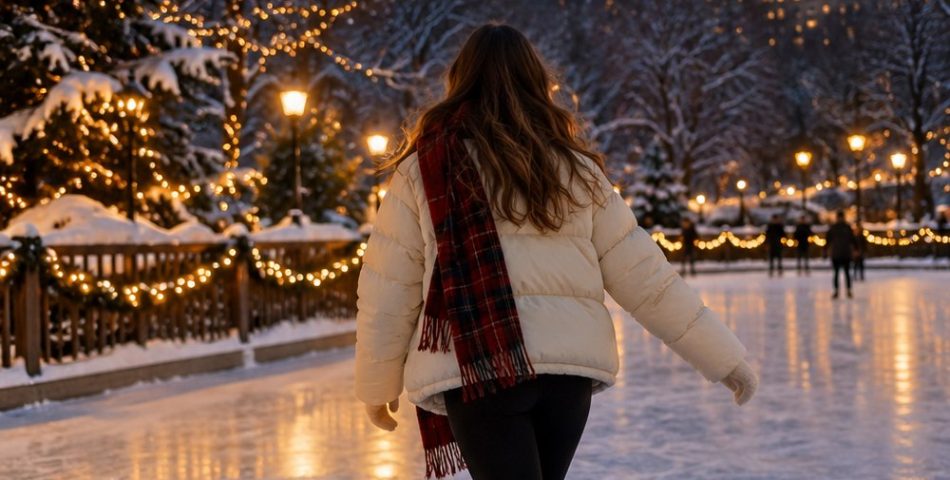
Outdoor rinks follow the weather, and you spend a surprising amount of time standing still: in the rental line, lacing skates on a cold bench, waiting for friends. Dress like it’s a winter walk: thermal base layer, a hip-length insulated jacket that doesn’t pin your arms, water-resistant pants, a hat that stays on and proper gloves. The layering logic in our cold weather game day outfits guide works here too.
Either way, skip anything long and loose. Dangling scarf ends, long open cardigans and wide flared hems can catch on blades, yours or someone else’s. Tuck the scarf inside your jacket.
Why jeans are a mistake on the ice
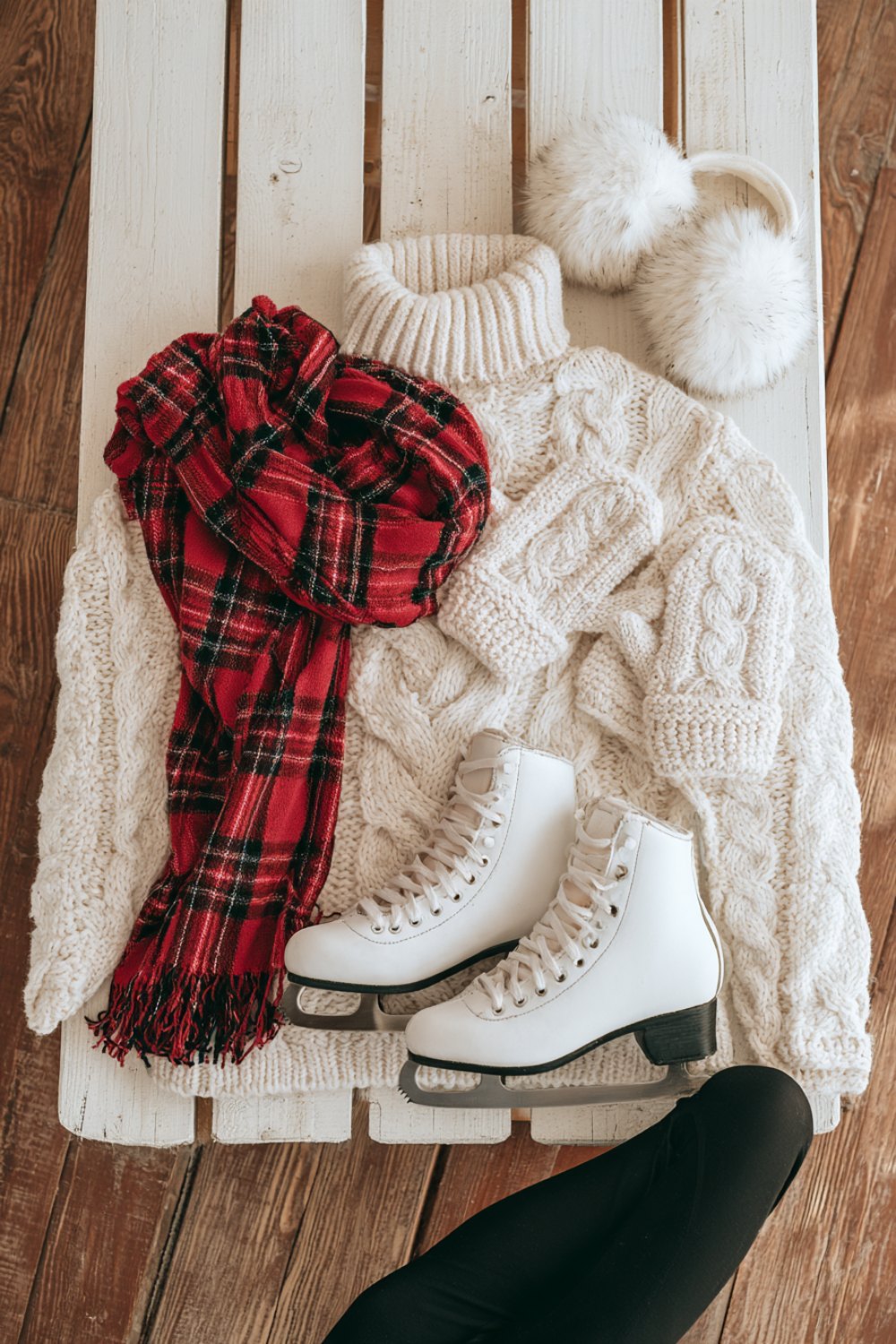
Jeans are the most popular choice for a casual skate. Here’s the cost. Denim is stiff, so it fights you when you bend your knees, which is exactly what skating needs. When you fall, it soaks up meltwater and stays wet for the rest of the session, and wet cotton at rink temperatures gets uncomfortable within about 15 minutes.
If you love the look, choose stretch denim with at least 2 percent elastane, or fleece-lined jeans, with thermal leggings underneath. Better still: ponte pants, lined leggings or water-resistant joggers that look like trousers. US Figure Skating’s beginner guidance makes the same point in its own way: freedom to move matters more than bulk.
7 ice skating outfits that actually work

1. The outdoor holiday rink
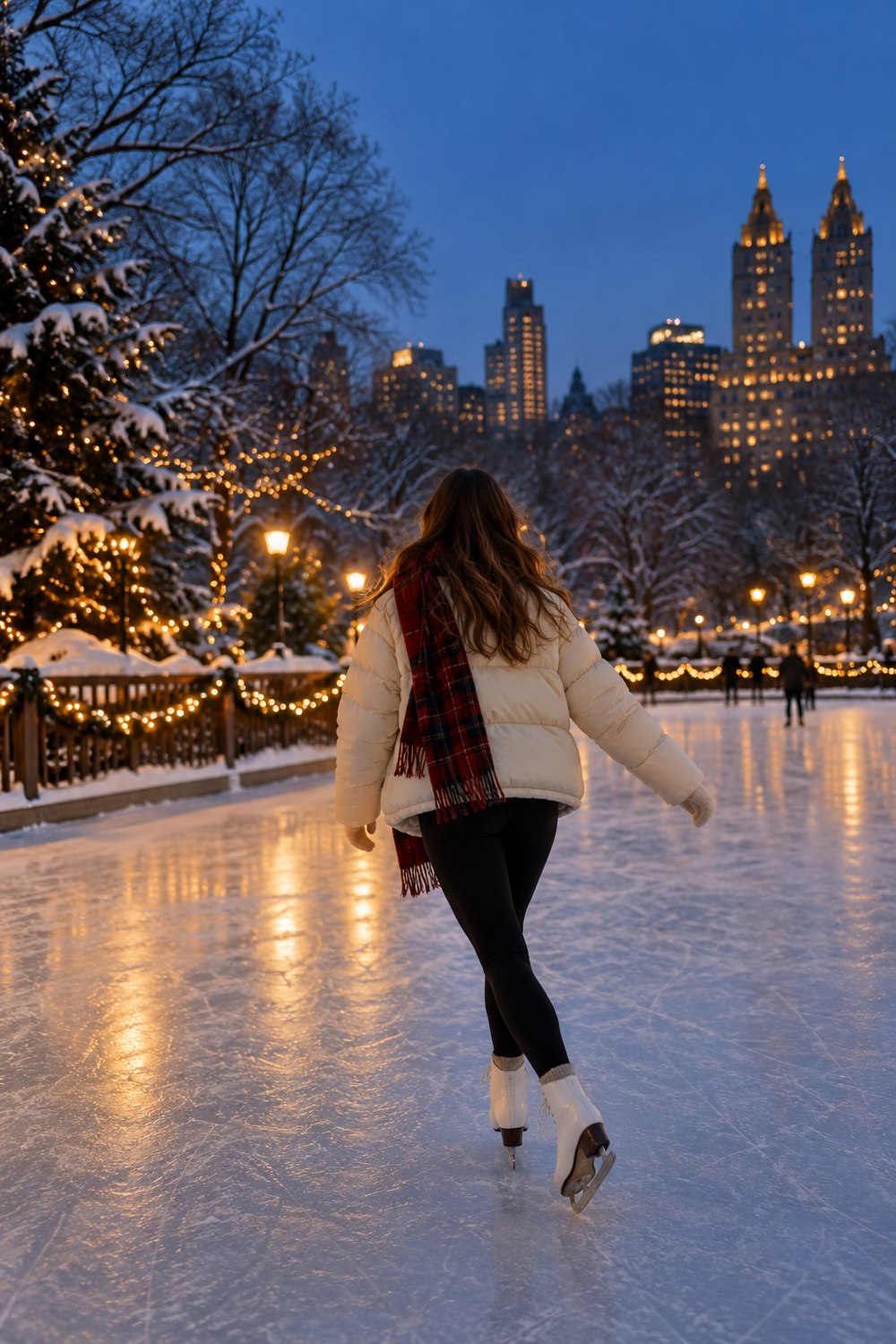
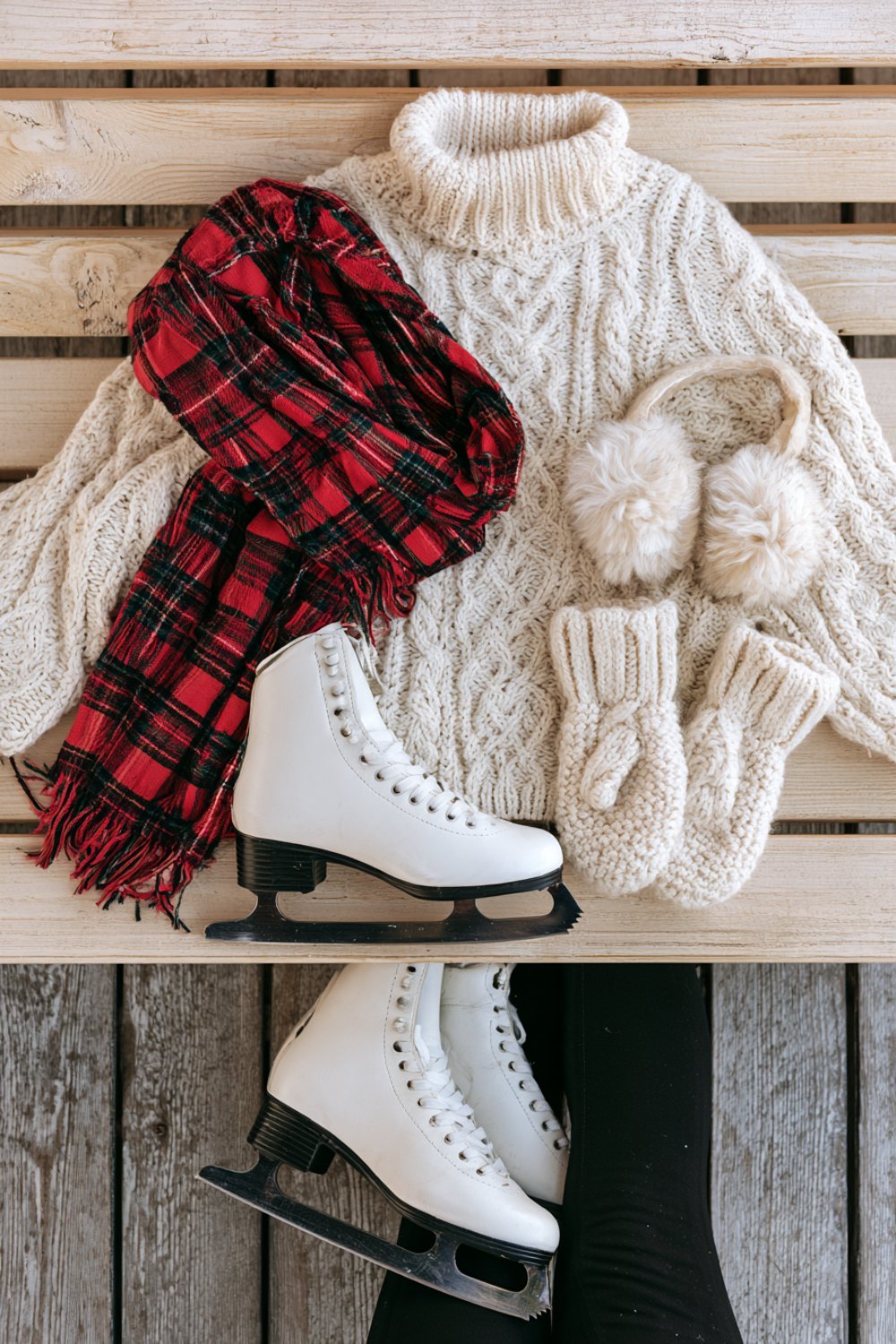
What to wear: fleece-lined leggings, a thermal top, a chunky knit, a short puffer that stops at the hip, a pom beanie and mittens. Men: thermal under a quarter-zip, insulated joggers or lined chinos, a short down jacket.
Why it works: warm in line, loose enough to move on the ice, and a hip-length hem stays out of the way when you bend.
The catch: knit mittens get wet the first time you put a hand down. Pack a spare pair or choose water-resistant gloves ($15 to $35).
2. The date night skate
What to wear: a sweater dress or knit skirt over thick fleece tights, a cropped wool coat, and a beret or earmuffs. Men: dark stretch trousers, a crewneck over a collared shirt, and a wool overcoat you can leave in a locker.
Why it works: a skirt with tights bends more easily than jeans, and knits look great under string lights.
The catch: a fall in a short skirt means a cold, wet seat. Choose a knee-skimming length and opaque tights of at least 100 denier.
3. The casual indoor session
What to wear: high-waisted leggings or joggers, a fitted long-sleeve, a zip hoodie and thin gloves, in any color you like.
Why it works: it’s what most regulars wear to public skate. Everything stretches and dries fast.
The catch: it won’t win style points. A fun beanie or bright gloves fixes the photos.
4. The cozy aesthetic
What to wear: cream knit leggings, an oversized cable sweater, a fluffy headband or earmuffs and a quilted vest.
Why it works: it’s the soft, light look all over winter inspo boards, and it’s genuinely practical indoors.
The catch: cream shows every scuff from the ice. Wash cold, and don’t wear your nicest knit for your first time out.
5. The men’s outdoor rink look
What to wear: a merino base layer, a fleece, a short insulated jacket, water-resistant pants or lined chinos, a wool beanie and gloves with a textured palm.
Why it works: it handles a long wait in the cold and a fall onto wet ice without leaving you soaked.
The catch: smooth leather gloves slip on the boards. A textured-palm pair runs $25 to $60 and grips far better.
6. The figure skating practice outfit
What to wear: thermal skating leggings or fitted training pants, a fitted long-sleeve top or thermal practice dress, a thin zip jacket and gloves, hair tied back. Boys and men: fitted training pants and a long-sleeve top.
Why it works: coaches need to see your knees, hips and posture. Baggy clothes hide the line they’re trying to fix, and loose fabric can catch during spins.
The catch: proper thermal skating tights and pants cost $30 to $80. For the first few weeks of lessons, plain fleece leggings are fine. Pair practice days with a simple stretching routine off the ice.
7. The kid’s first lesson
What to wear: warm-up pants or fleece leggings, two or three thin layers, a light jacket, gloves, a helmet and one pair of thin socks.
Why it works: kids fall a lot, and thin layers can come off one at a time as they warm up.
The catch: parents often add thick socks for warmth. They make skates fit worse, which makes ankles wobble more.
Socks, rental skates and lacing
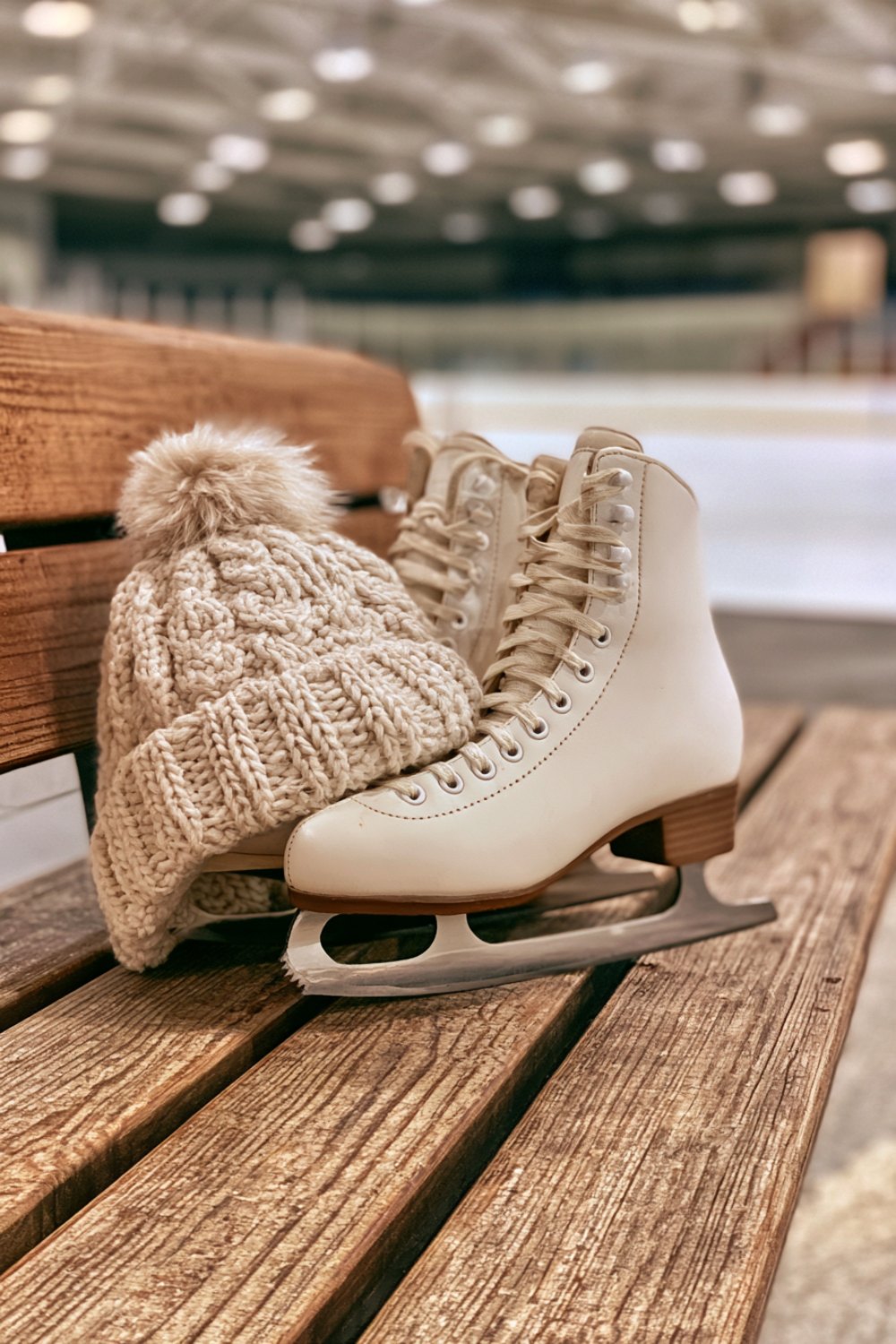
Your outfit can be perfect and the session can still go badly if your skates are wrong. Most of it comes down to three minutes on the bench.
- Socks: one pair of thin socks or tights, tall enough to clear the top of the boot. Thick socks create pressure points and reduce support.
- Fit: snug, with just enough room to wiggle your toes. If your heel lifts when you bend your knees, ask for a half size down.
- Lacing: snug across the foot and ankle, a little looser at the top two hooks so your ankle can still flex.
- Finish: tie a double knot and tuck the ends inside the boot. Long, loose bows are a trip hazard.
- Off the ice: blade guards on for walking, off before you step onto the ice.
Competition dress basics for beginners
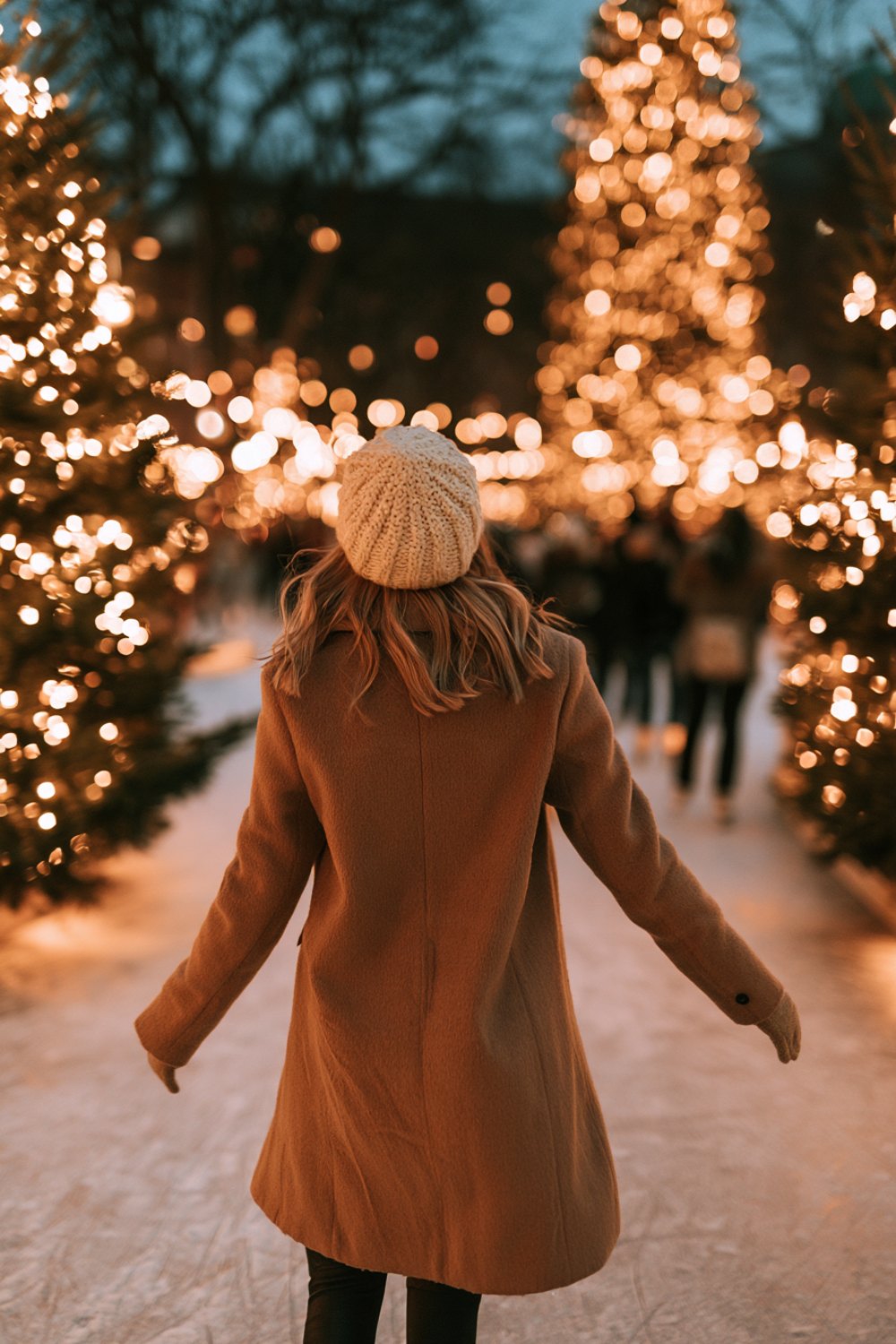
Competition ice skating outfits look intimidating, but you don’t need a sparkly costume for a first test or basic skills event. Many beginners compete in a simple solid-color skating dress, or fitted pants and a plain top.
Most competitions follow International Skating Union clothing rules (Rule 501). The Special Olympics figure skating guidelines lay out the same principles in plain language: clothing must be modest, dignified and appropriate for athletic competition, men must wear full-length trousers rather than tights, props aren’t allowed, and decorations must not come loose. Breaking the rules can mean a deduction, so check your club or event announcement for any extra requirements.
For a first event, men and boys do well in black fitted trousers and a simple shirt or top. Women and girls usually wear a skating dress with skin-tone skating tights. Expect $60 to $150 for a plain new dress, more for anything embellished, and far less secondhand from club swaps.
Helmets, cold and wet clothes: the safety part
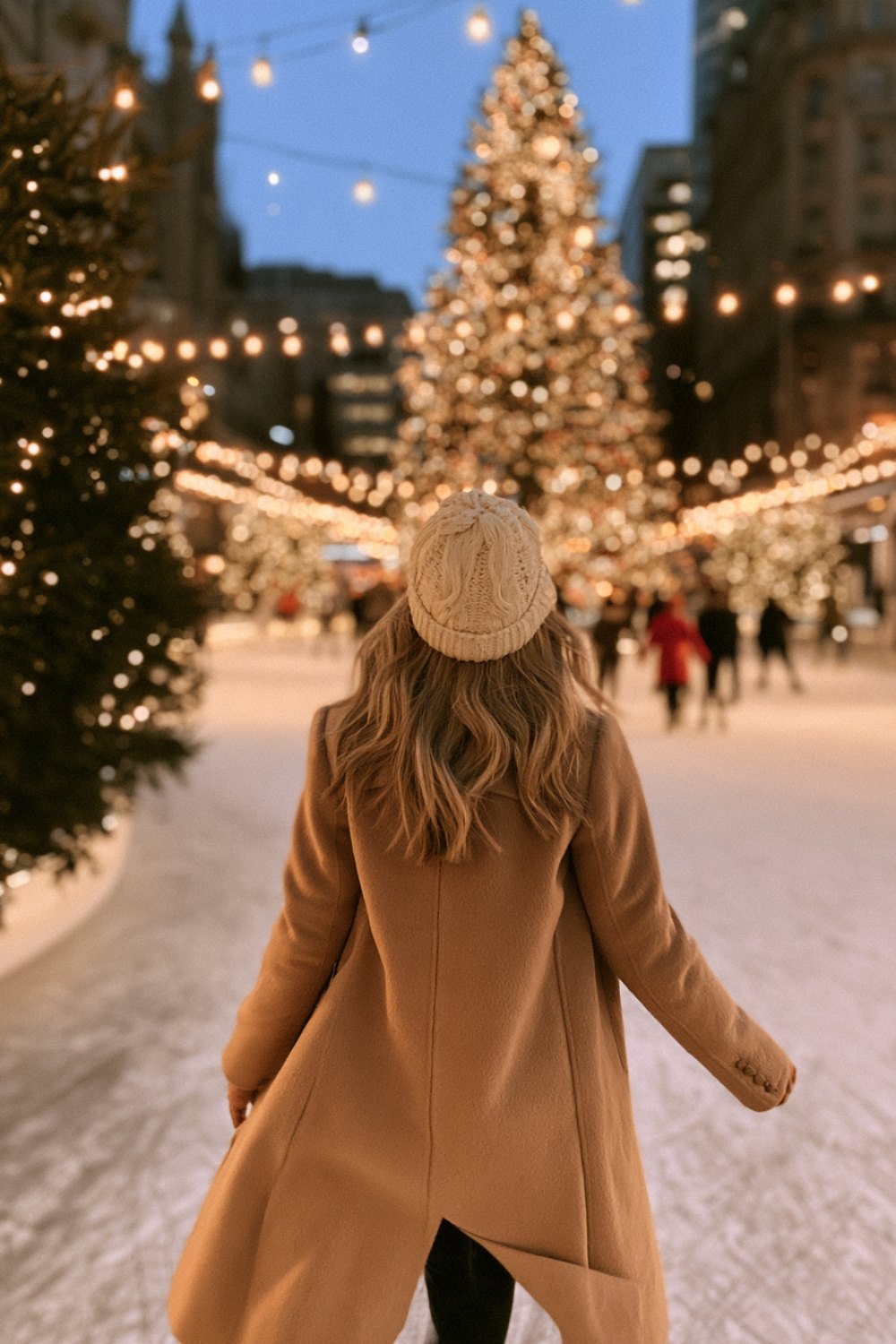
Helmets and gloves for beginners. US Figure Skating’s first day of skating guide for Learn to Skate USA says all beginning skaters should wear a helmet that fits snugly and comfortably, and that a damaged helmet should be replaced right away. It recommends gloves not for warmth but to protect hands while learning to fall and stand up, and sweatpants or warm-up pants over bulkier snow pants.
Outdoor cold. Wind makes an outdoor rink feel far colder than the forecast. The National Weather Service wind chill chart shows that 0°F with a 15 mph wind feels like 19 below, with exposed skin able to freeze in about 30 minutes, and it advises extra caution with children. On very cold nights, cover ears and hands and take regular warm-up breaks indoors.
Wet clothing. The CDC’s advice on preventing hypothermia and frostbite is to remove wet clothing right away. That’s the real reason to skip jeans at an outdoor rink and to pack dry pants for kids. If a skater has a health condition or a past injury, check with their doctor before starting lessons.
Your rink bag checklist and session log
Pack the bag below, then grab the free printable underneath. Page one is a rink day checklist; page two is a beginner skate session log for tracking minutes on the ice, skills tried and what to work on next. Writing down one goal per session makes slow progress much easier to see.
- Stretchy pants or lined leggings, not plain jeans
- One pair of thin, tall socks
- Gloves, plus a spare pair
- Helmet for beginners and kids
- Light layer you can tie around your waist
- Hat or earmuffs for outdoor rinks
- Blade guards and a small towel if you own skates
- Dry change of pants for kids
- Hair tie, lip balm and a water bottle
Free printable
Rink Day Checklist and Skate Session Log
A free 2-page printable: a rink day checklist for indoor and outdoor skating plus a beginner skate session log with a 10-step skills ladder.
Keep building the winter look
Heading to the mountains after the rink? Try our apres ski outfits and winter hiking outfits. Watching rather than skating? Our hockey game outfit ideas keep you warm in the stands, and if you’re shopping for a young skater, our gifts for gymnasts list has plenty that suits figure skaters too.
Questions people ask
What should I wear ice skating for the first time?
Stretchy pants or lined leggings, two or three thin layers, gloves and one pair of thin socks, plus a helmet if you’re new. At an indoor rink, leave the heavy coat in a locker.
Can I wear jeans ice skating?
You can, but plain denim gets wet and stiff the first time you fall. If you want the look, choose stretch or fleece-lined jeans with thermal leggings underneath.
Can I wear a skirt or dress ice skating?
Yes. A knit skirt or sweater dress over opaque fleece tights is warm and easy to move in. Avoid long, loose hems that can catch on your blades.
What do men wear ice skating?
For a casual skate: a thermal base, a quarter-zip or sweater, stretch trousers or lined joggers, and gloves. For competition, men wear full-length trousers rather than tights, usually with a simple fitted top.
What should I wear to figure skating practice?
Fitted thermal leggings or training pants, a fitted long-sleeve top, a thin jacket and gloves. Your coach needs to see your knees and posture, so skip anything baggy.
How cold is an indoor ice rink?
Many rinks keep the air around 55 to 60°F, and it feels cooler right next to the ice. Light layers work best, because you’ll warm up within a few laps.
Images in this article are AI-generated illustrations and original graphics created by SportsFable. They show outfit ideas, not real people, teams or events. The printable is an original SportsFable resource.
Related Post