
A gallon jug sits on the kitchen counter after dinner, still full, with four hand-drawn lines down the side marked morning, lunch, afternoon, and evening. By the door, a rain jacket hangs over a chair so it’ll be the first thing you grab tomorrow. A paperback with a cracked spine waits next to the fruit bowl.
You stand there with the lights half off and do the math one more time. Two workouts, a gallon of water, 10 pages, a photo, and no slip-ups, for 75 days in a row. The 75 hard challenge sounds simple on paper, and that’s exactly why it’s so easy to underestimate.
This guide walks through the commonly shared 75 hard challenge rules, who should modify them, a sample two-workout plan, meal ideas, and tracker and journal setups. It’s honest about the hard parts, too, because day 40 doesn’t care how motivated you felt on day 1.
Quick answer
The 75 hard challenge, as it’s commonly shared, asks for two 45-minute workouts a day (one outdoors), a diet of your choice with no cheat meals or alcohol, a gallon of water, 10 pages of nonfiction, and a daily progress photo for 75 days, restarting at day 1 if you miss anything. The original has no rest days, so talk to your doctor first and consider making 2 days a week easy, with a gentle walk and a mobility session as your two workouts.
The 75 hard challenge rules list, explained
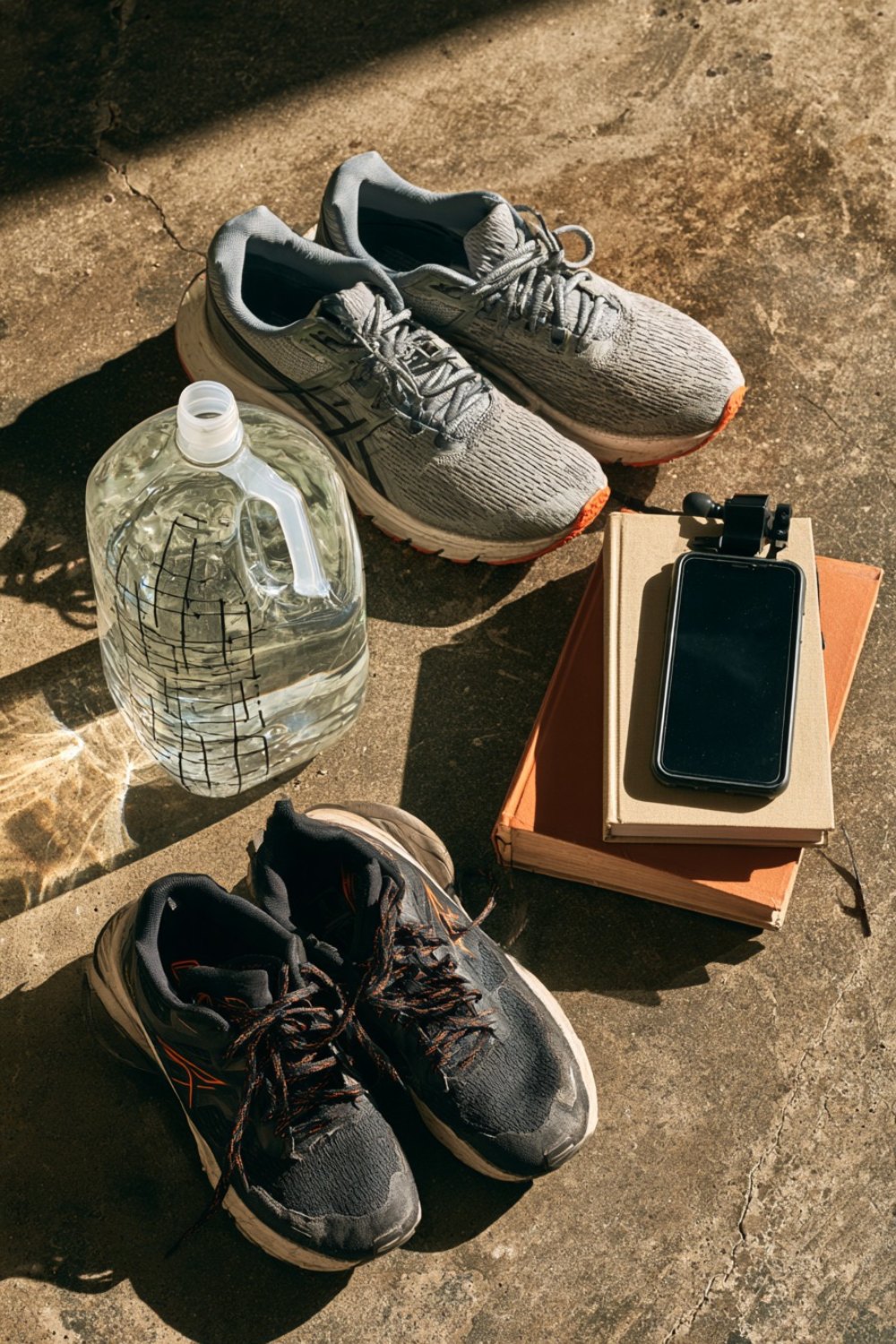
The challenge was created by an entrepreneur and podcaster, and it’s framed as a mental toughness program more than a fitness plan. Health sites that summarize it, including the Cleveland Clinic’s breakdown of the 75 hard rules and alternatives, list the same core tasks. Here’s the rules list most people work from, written as 6 daily boxes to tick.
- Do one workout of at least 45 minutes.
- Do a second workout of at least 45 minutes, outdoors, whatever the weather. Commonly shared versions say the two sessions should be at least 3 hours apart.
- Follow a diet of your choice with no cheat meals and no alcohol.
- Drink 1 gallon of water (about 3.8 liters or 128 ounces).
- Read 10 pages of a nonfiction or self-improvement book. Most versions say audiobooks don’t count.
- Take a progress photo.
Then comes the rule behind the rules: miss any task, on any day, and you restart at day 1. There’s no partial credit, so a day with one workout and a perfect diet still counts as a miss.
Rules checklist versus what people actually struggle with
| Rule | What it asks | Where it usually gets hard |
|---|---|---|
| Workout 1 | 45 minutes, any type | Fitting it in before work or school |
| Workout 2 outdoors | 45 minutes outside, at least 3 hours after the first | Cold, rain, and early sunsets |
| Diet | Your plan, no cheat meals, no alcohol | Birthdays, travel, and weekends |
| Water | 1 gallon (about 128 ounces) | Late-day catch-up and bathroom trips |
| Reading | 10 pages of nonfiction | Falling asleep on page 4 |
| Photo | One progress photo | Forgetting it on busy days |
The diet rule is open on purpose, so pick a plan you could live with for about 11 weeks.
Is 75 hard safe? Who should modify it first
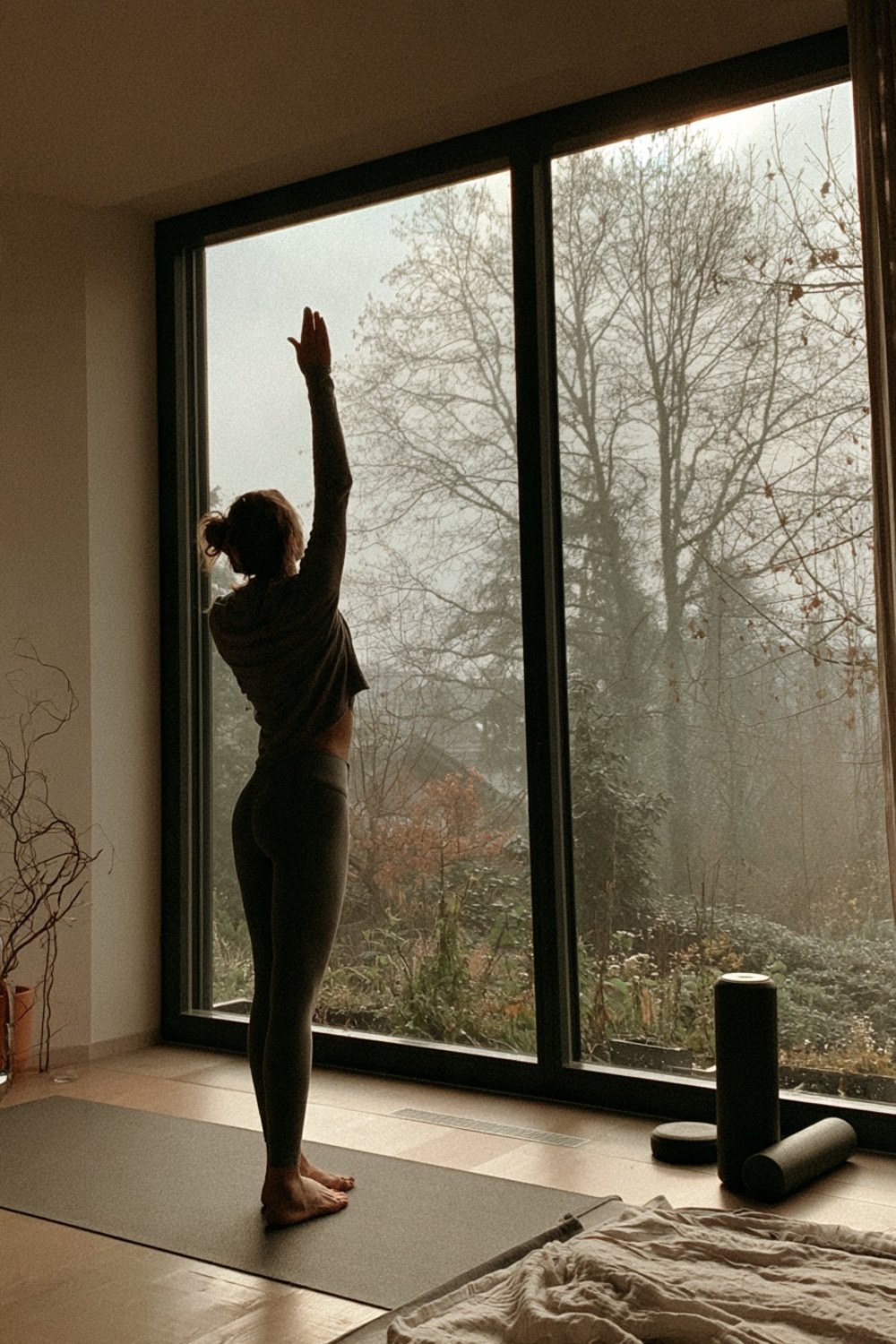
Each task on its own is an ordinary habit. The intensity comes from stacking them every day with no breaks.
No rest days in the original
The original rules don’t include rest days, and the Cleveland Clinic’s review notes that skipping rest can lead to overuse injuries. For context, the CDC physical activity guidelines for adults recommend 150 minutes a week of moderate activity plus at least 2 days of muscle strengthening. Two 45-minute sessions a day add up to at least 630 minutes a week, more than four times that baseline.
A gallon of water is a lot for some people
A gallon is more than many people drink, and more isn’t always better. Mayo Clinic’s page on hyponatremia, or low blood sodium, explains that drinking excessive water can overwhelm the kidneys’ ability to get rid of it, with symptoms like nausea, headache, confusion, and fatigue. Spread your water through the whole day instead of chugging the last third at night, and get medical help for serious symptoms.
Talk to your doctor first if this sounds like you
Check with your doctor before starting, especially if you have a heart or kidney condition, any condition where you’ve been given a fluid limit, another ongoing medical condition, an injury, or you’re pregnant. The same goes if you’re new to exercise or if daily photos tend to stir up hard feelings about your body.
A sensible modified version
To be clear, the original rules don’t allow rest days. If you’d rather protect your joints and sleep, you can keep the daily structure but make 2 days a week easy: one gentle 45-minute walk and one 45-minute mobility or stretching session. Scale water to what your doctor suggests, and if all of this feels like too much right now, the 75 soft challenge is the gentler option.
Stop any workout for chest pain, dizziness, numbness, or sharp pain, and talk to a doctor or physical therapist before you continue.
Two workouts a day: a sample 75-day plan
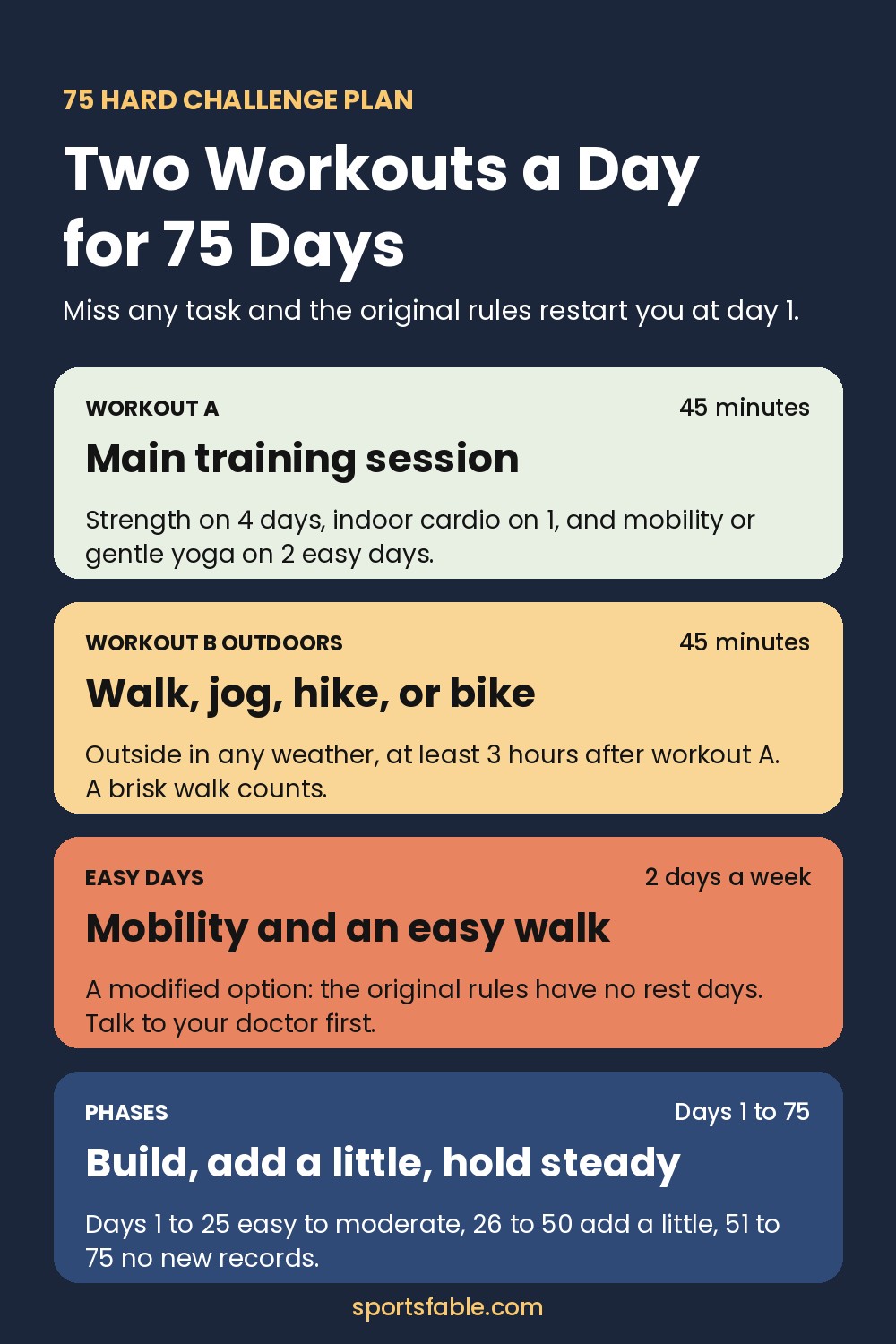
Stop treating every session like a test. Workout A is your main training session, and workout B is outdoor movement, which can be a brisk walk most days.
Weekly workout plan template
| Day | Workout A (45 minutes) | Workout B outdoors (45 minutes) |
|---|---|---|
| Monday | Lower-body strength | Brisk walk |
| Tuesday | Upper-body strength | Walk or easy jog |
| Wednesday (easy day) | Mobility and stretching | Easy walk |
| Thursday | Full-body strength | Walk with 6 to 8 short pickups |
| Friday | Indoor cardio (bike, rower, or dance class) | Brisk walk |
| Saturday | Full-body strength | Longer walk or hike |
| Sunday (easy day) | Gentle yoga or mobility | Easy walk |
That week keeps the original rules intact but builds in 2 easy days for tired legs, and strength on 4 days covers the CDC’s 2-day minimum.
The 75-day calendar in three phases
- Days 1 to 25: build the routine. Keep both workouts at an easy to moderate effort, where you can still talk in full sentences.
- Days 26 to 50: add a little. Add a set or a few minutes to workout A once a week if you feel recovered, and keep workout B relaxed.
- Days 51 to 75: hold steady. Skip personal records and new programs, because a strain on day 60 is the worst-timed injury there is.
Write both sessions into a calendar the night before. If you like the whole week on one page, a weekly workout plan template works well alongside the tracker.
Outdoor workout ideas for every season

The outdoor rule turns a regular fitness plan into a real commitment. Walking counts, and on many days it’s the smartest choice.
Spring and fall
Try hilly walks, easy jogs, bike rides, or park circuits, and keep a rain jacket by the door so drizzle doesn’t become a debate.
Summer
Go early or late to dodge the strongest heat, carry water, and slow down when it’s humid.
Winter
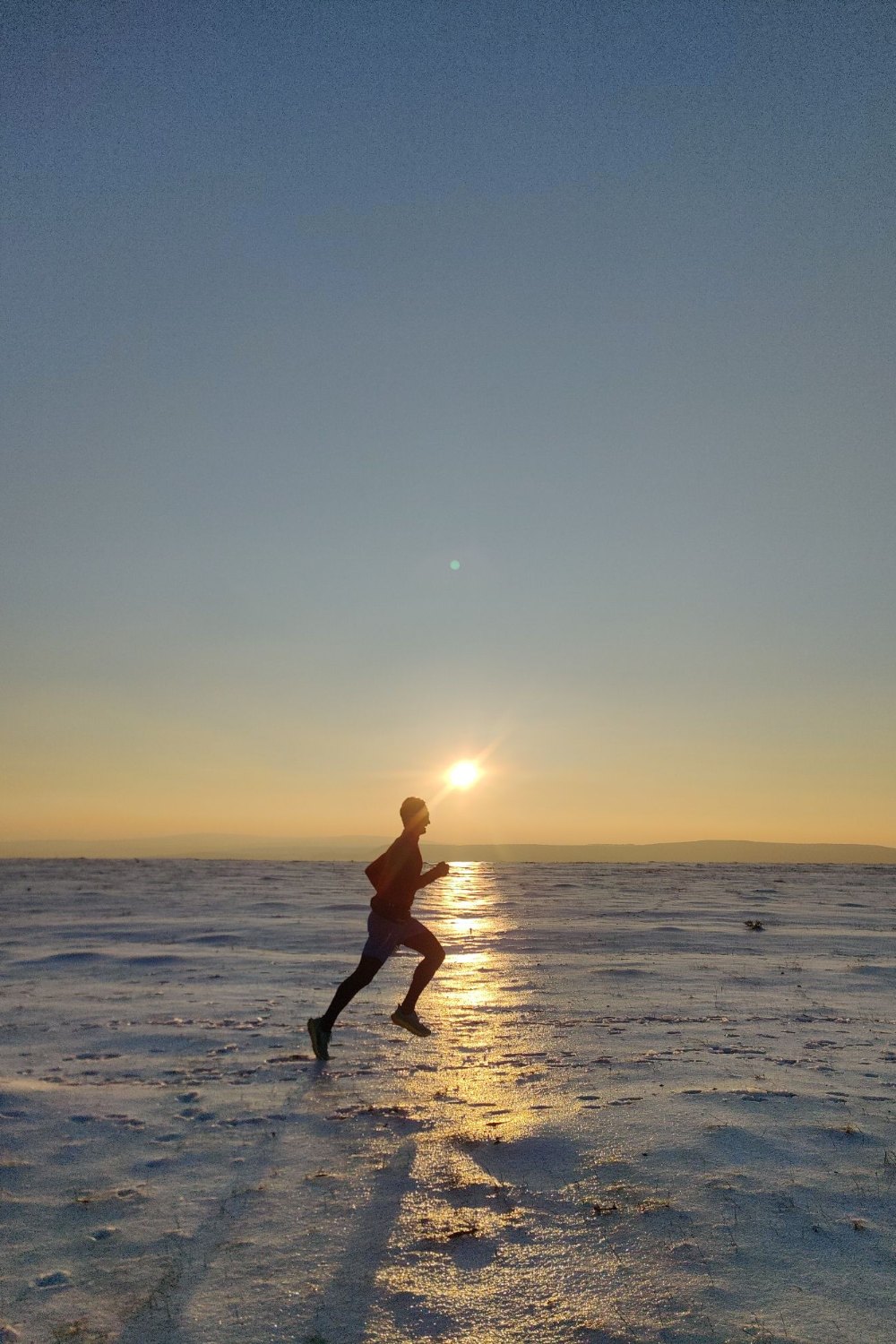
Cold brings its own risks. The National Weather Service’s wind chill chart shows that an air temperature of 0°F with a 15 mph wind feels like minus 19°F, cold enough for exposed skin to freeze in about 30 minutes. The NWS also lists redness or pain as a possible first sign of frostbite, followed by skin that looks white or grayish-yellow, feels firm or waxy, or goes numb.
- Dress in layers: a sweat-wicking base, a light fleece mid layer, and a wind or rain shell on top.
- Cover your ears, hands, and face when the wind chill drops, and swap wet gear for dry clothes right after.
- Wear a reflective jacket or vest and a small light when you head out near dusk or after dark.
- Pick a route you know, tell someone where you’re going, and shorten it to loops near home on icy days.
Our winter running outfit guide has layer-by-layer picks by temperature.
Meal plan ideas without cheat-meal stress
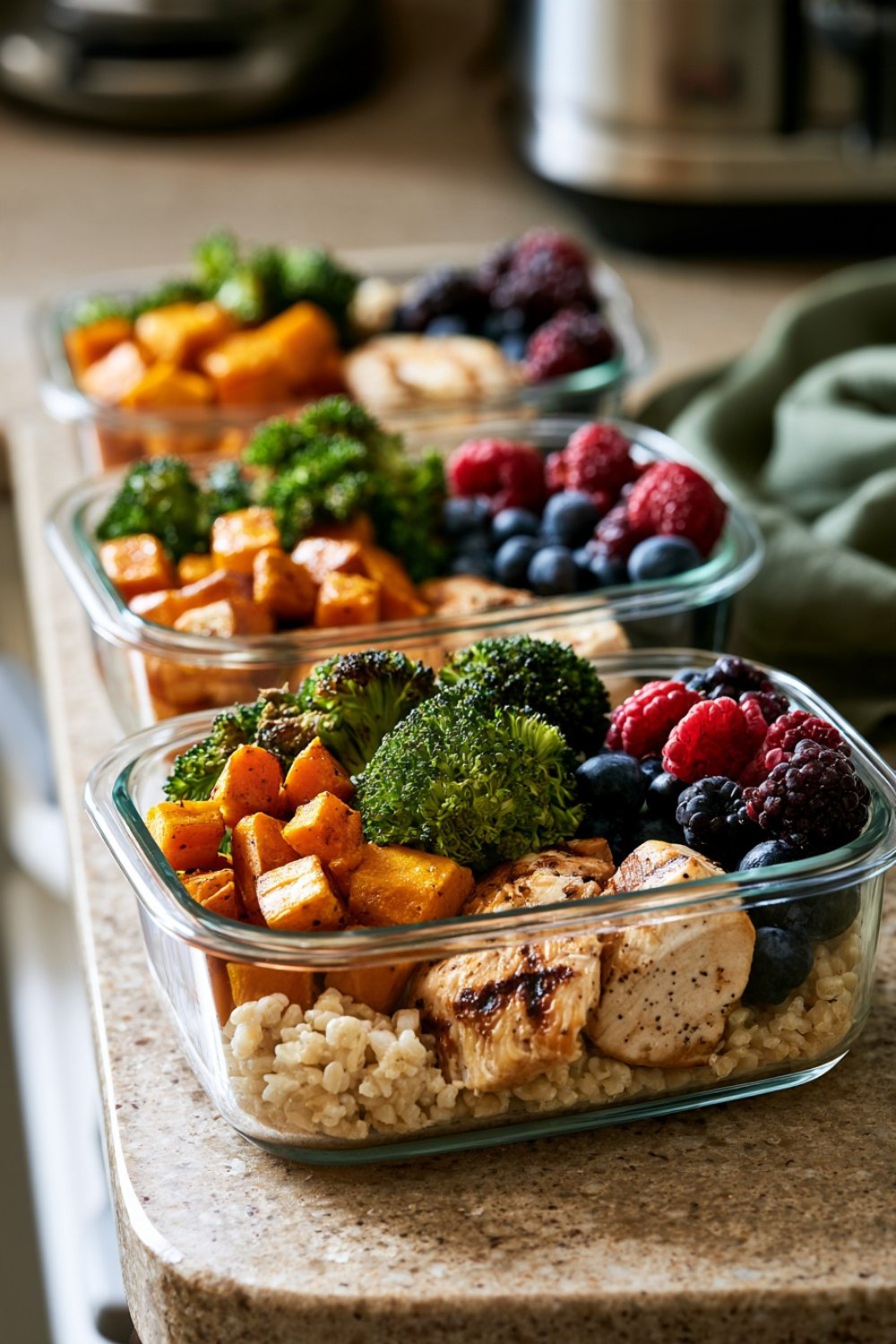
The no-cheat-meal rule gets easier when “cheat” isn’t part of your plan at all. Build meals you actually like and prep the boring basics twice a week.
| Meal | Food ideas | Prep tip |
|---|---|---|
| Breakfast | Oats with fruit and yogurt, eggs and toast, a smoothie | Make overnight oats in 4 jars at once |
| Lunch | Grain bowls with roasted vegetables and a protein | Roast 2 sheet pans of vegetables on Sunday |
| Dinner | Sheet-pan chicken or tofu, chili, stir-fry with rice | Cook a double batch and freeze half |
| Snacks | Fruit, nuts, hummus and vegetables, cheese and crackers | Portion into containers after shopping |
| Social meals | Order something you enjoy that fits your plan | Look at the menu before you go |
Meal plan tips that keep you on track
Keep one 10-minute dinner for nights when everything falls apart, and a party drink you like, such as sparkling water with citrus. If you have a medical condition or a history of disordered eating, work with your doctor or a registered dietitian on what your plan should look like.
Tracker, calendar, and journal ideas
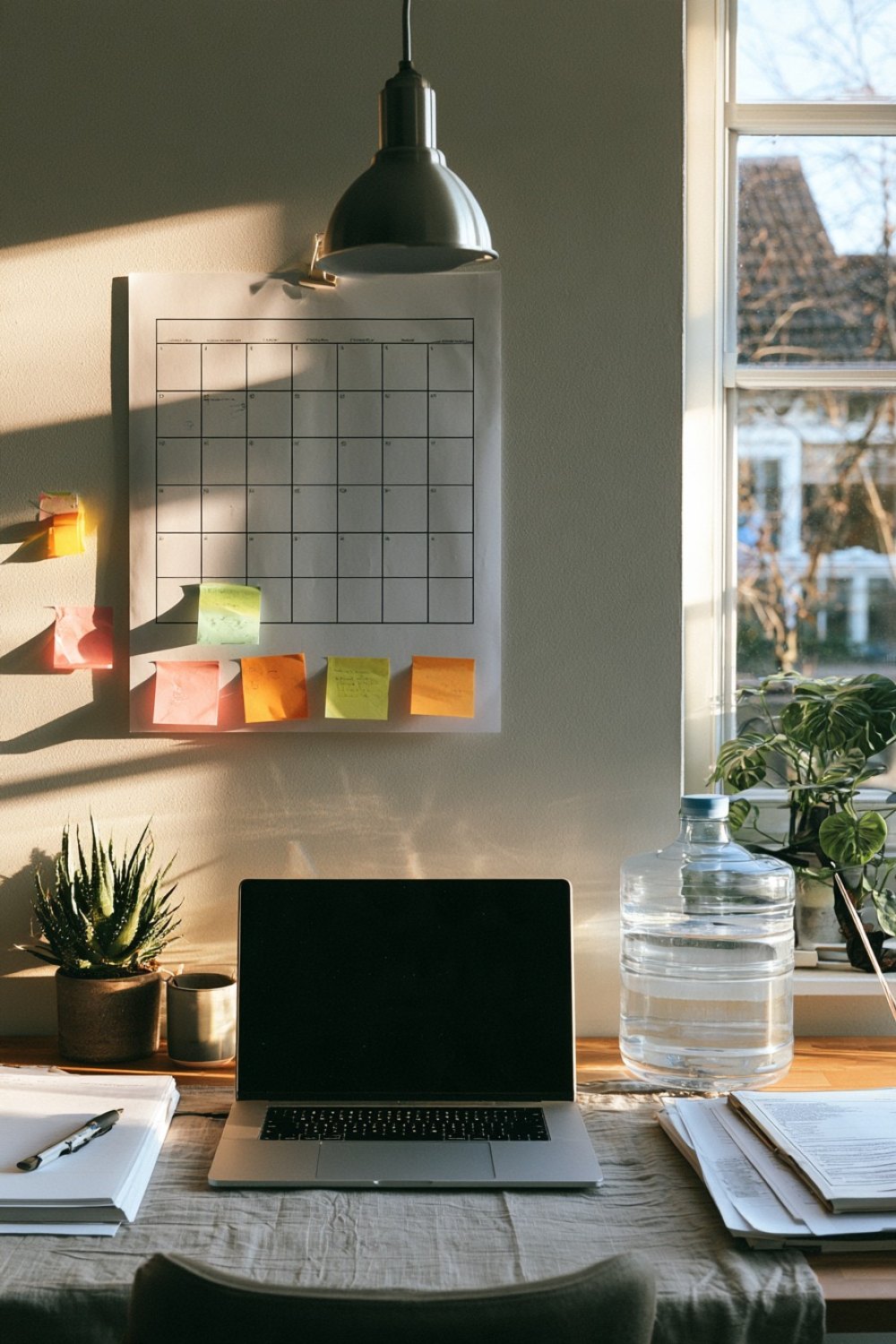
A tracker turns 75 vague days into small boxes, and that tiny tick is weirdly satisfying. Pick one system, paper or app, so you aren’t updating three places at night.
Daily tracker and printable tracker
The simplest daily tracker is a grid of 75 squares with 6 small boxes in each, one per rule. Tick them as you go, and you’ll see in two seconds whether today is done.
Calendar and checklist
Hang a wall calendar by your water jug and check off a day only once all 6 boxes are done. Sticky notes on the calendar work well for tomorrow’s plan: one for workout A, one for workout B, and one for the book you’re reading.
Journal and bullet journal ideas
A two-line journal entry is enough: how your energy felt from 1 to 5, and one thing that was harder or easier than yesterday. For bullet journal ideas, try a 75-dot spread, a water log with 8 cups to color in, a reading list page, and a page of outdoor routes you’ve tried.
Progress photos without the pressure
Progress photos are part of the rules, but how you take them is up to you. Use the same spot, the same light, and the same phone setup, and you’re welcome to wear workout clothes and keep the photos private. Track energy, sleep, mood, and strength next to them, because a heavier squat or an easier walk up the stairs tells a fuller story than any picture.
Vision board and aesthetic setups
Fill a small vision board with actions instead of bodies: a trail you want to hike or a book you want to finish. For a calm aesthetic, keep the tracker, a pen, and your book in one tray by the jug.
Our free printable, the 75 Hard Challenge Tracker and Rules Checklist, has the 6 rules, a 75-day tracker grid, a weekly two-workout planner, meal ideas, and a note to remind you why you started.
Free printable
75 Hard Challenge Tracker and Rules Checklist
Page 1 has the 6 daily rules as a checklist and a 75-day tracker grid. Page 2 has a weekly two-workout planner, meal ideas, and a why I started note.
Download the free PDFStaying motivated when day 40 gets hard
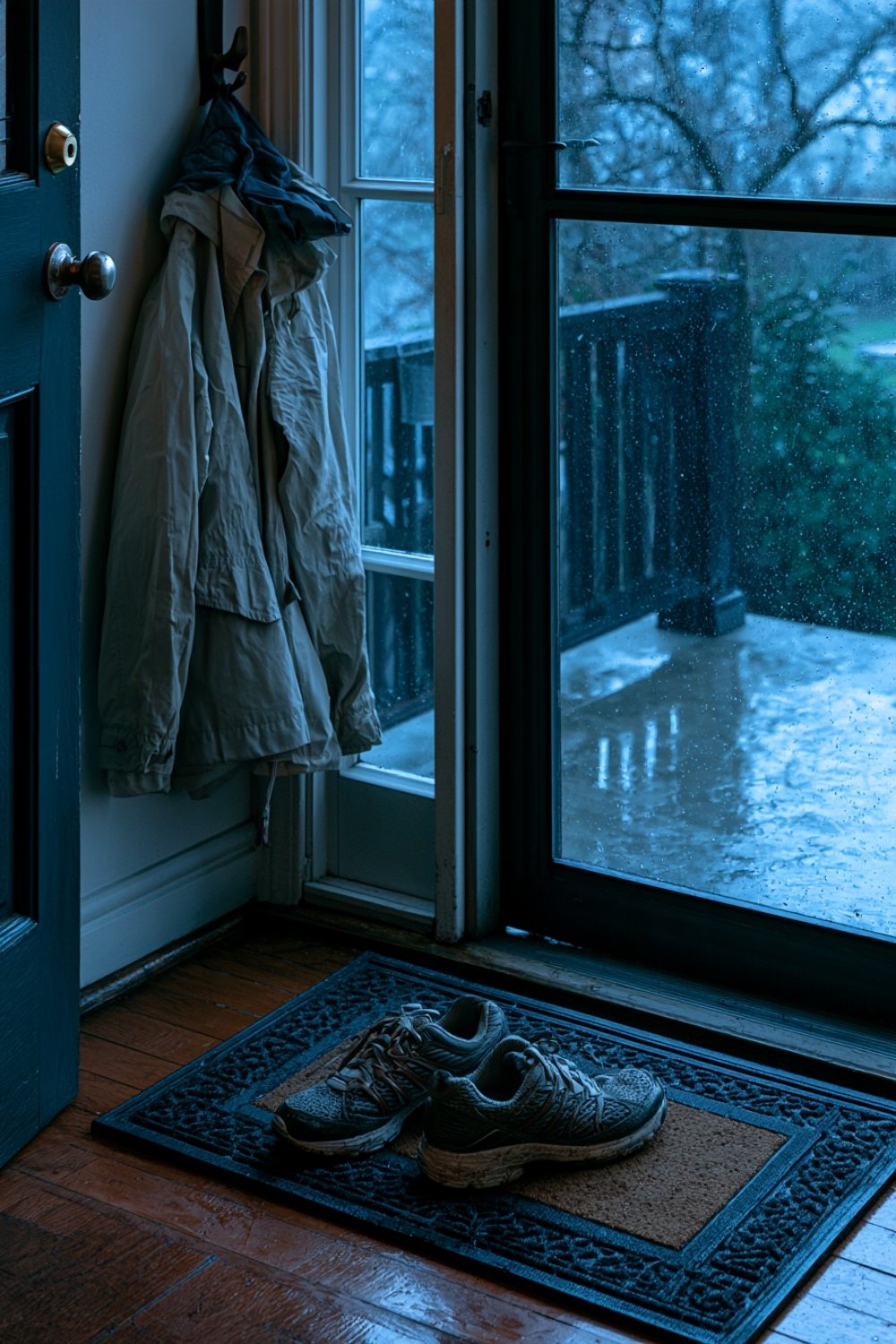
Somewhere around the middle, the novelty runs out. Now it’s just a rainy morning, the same walk, and a jug that’s somehow still half full.
That’s normal, and it’s what the challenge is really testing. A few things help.
- Lay out your outdoor gear the night before, shoes on the mat and jacket on the hook.
- Do workout B first on days you dread it, so it can’t follow you around all afternoon.
- Keep a “minimum good day” plan: a 45-minute walk, a simple meal, and 10 pages read in bed.
- Plan the restart rule in advance, so if you do miss a day, you already know you’ll start again on purpose instead of in a spiral.
Motivation lines for sticky notes
- Show up tired. It still counts.
- Slow walks finish the day too.
- You only have to do today.
- Rain is just weather with an attitude.
- Ten pages is a small promise you can keep.
Some people restart once or twice, and some decide halfway through that a gentler version fits their life better. Neither one is a failure, and the habits you built in the first 40 days don’t disappear.
Keep building your training plan
- Map out longer training blocks with this 12-week workout plan.
- Find prompts for your notebook in these fitness journal ideas.
- Stay warm on outdoor sessions with these cold-weather running outfits.
- Try a shorter goal first with the 30-day workout challenge.
- Turn your outdoor walks into a goal with this 5K training plan.
Questions people ask
What are the 75 hard challenge rules?
The commonly shared rules are two 45-minute workouts a day, one of them outdoors, a diet of your choice with no cheat meals and no alcohol, a gallon of water, 10 pages of a nonfiction book, and a daily progress photo. You do all of them for 75 days in a row. Miss any task and you restart at day 1.
Can you take rest days on 75 hard?
The original 75 hard rules don’t include rest days. One sensible modification keeps the structure but makes 2 days a week easy, using a gentle walk and a mobility session as their two workouts. Talk to your doctor before starting if you’re new to exercise or have an injury or medical condition.
Is drinking a gallon of water a day safe?
A gallon (about 128 ounces) is more than many people usually drink, and Mayo Clinic notes that drinking excessive water can lead to low blood sodium, called hyponatremia. Spread it through the day instead of chugging, and watch for nausea, headache, or confusion. If you have a heart or kidney condition or a fluid limit, talk to your doctor first.
Do you have to restart 75 hard if you miss a day?
Yes, under the original rules, missing any task on any day means starting over at day 1. There’s no partial credit for doing most of the list. If you follow a modified version, decide your own restart rule before you begin so it isn’t an emotional call later.
What counts as an outdoor workout for 75 hard?
Any 45-minute workout done outside counts under the commonly shared rules, including brisk walks, jogs, hikes, bike rides, or a bodyweight circuit at a park. Most versions say it should be at least 3 hours apart from your other workout. In winter, check the wind chill, dress in layers, and wear reflective gear near dusk.
Can beginners do the 75 hard challenge?
Beginners can try it, but two 45-minute workouts a day is a big jump. Keep most sessions at an easy walking effort, build 2 easy days into each week, and check with your doctor first. A gentler option like the 75 soft challenge is a smart starting point for many beginners.
The featured photo is a licensed stock photo credited in its caption. The other images in this article are AI-generated illustrations and original graphics created by SportsFable. They show fitness and habit ideas, not real people, teams or events. The printable is an original SportsFable resource.
Related Post